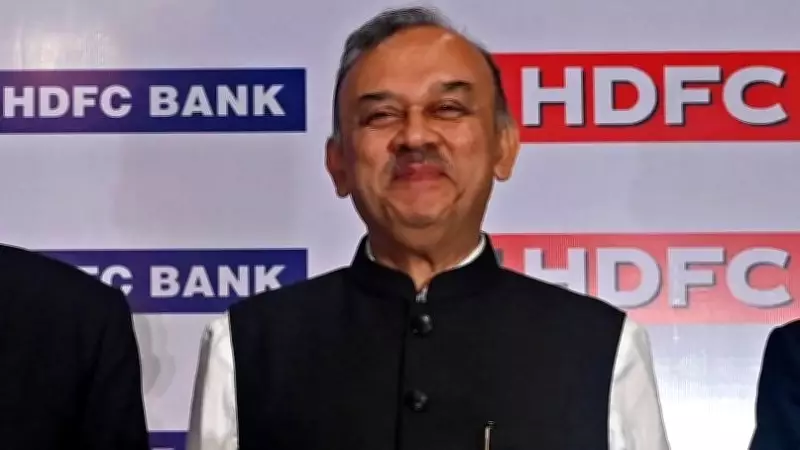
HDFC Bank Initiates External Legal Review of Former Chairman's Resignation
The country's largest private-sector lender, HDFC Bank, has taken a significant step by engaging external legal counsel to conduct a thorough review of the circumstances surrounding the sudden resignation of its former chairman. This move comes in the wake of the abrupt exit, which sent shockwaves through the financial markets and raised serious questions about corporate governance practices at the institution.
Market Impact and Governance Concerns
The resignation of the former chairman had an immediate and pronounced effect on HDFC Bank's stock performance, with shares experiencing a sharp decline following the announcement. This market reaction underscored investor anxiety and highlighted broader concerns about transparency and stability within one of India's leading banking entities. The incident has sparked discussions among analysts and stakeholders regarding the robustness of internal controls and leadership dynamics at major financial institutions.
Bank's Initial Statement and Internal Dynamics
In earlier communications, HDFC Bank indicated that the former chairman's departure might have originated from a rift or disagreement between him and the senior management team. The bank was quick to emphasize that there were no material issues, financial discrepancies, or operational problems affecting the bank's fundamental health. This assurance was aimed at calming nerves and maintaining confidence among customers and investors alike.

The appointment of external counsel signifies a proactive approach to addressing governance lapses and restoring trust. By bringing in independent legal experts, HDFC Bank demonstrates a commitment to impartiality and thoroughness in examining the events leading up to the resignation. This external review is expected to provide an objective assessment, potentially uncovering insights that internal processes might have overlooked.
Broader Implications for Corporate Governance
This development at HDFC Bank serves as a critical case study in corporate governance within India's banking sector. It raises important questions about:
- The mechanisms in place for resolving high-level conflicts within management.
- The impact of leadership changes on shareholder value and market perception.
- The role of external oversight in ensuring accountability and transparency.
As the review progresses, stakeholders will be closely monitoring the findings and any subsequent actions taken by the bank. The outcome could influence governance standards across the industry, prompting other institutions to reevaluate their own protocols for handling similar situations.
In summary, HDFC Bank's decision to tap external counsel marks a pivotal moment in its efforts to navigate the fallout from the former chairman's resignation. By prioritizing a detailed investigation, the bank aims to mitigate governance concerns, reassure the market, and reinforce its reputation as a stalwart in the private banking landscape. The financial community awaits the results of this review, which will likely shape discussions on leadership and governance in the months to come.