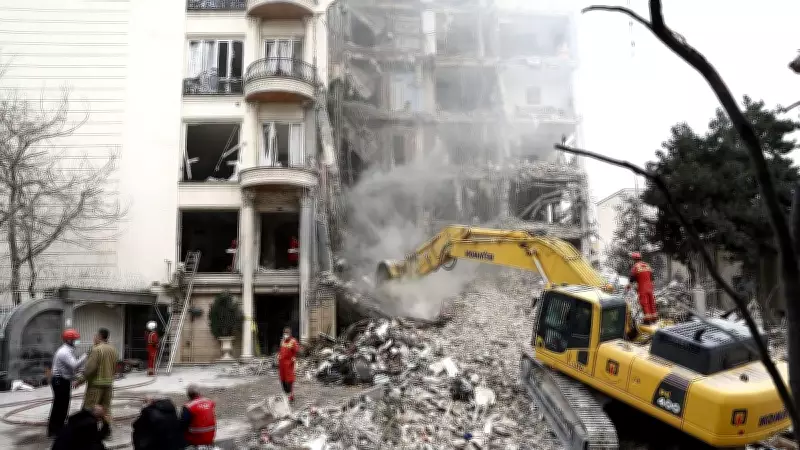
The ongoing Iran war has dealt a severe blow to one of the world's wealthiest nations, Qatar, as the closure of the Strait of Hormuz has effectively halted its natural gas exports for more than two months. The strategic waterway, a critical chokepoint for global energy supplies, remains blocked amid escalating conflict, leaving Qatar's vast gas reserves stranded and its economy under unprecedented strain.
Impact on Qatar's Economy
Qatar, a leading exporter of liquefied natural gas (LNG), relies heavily on the Strait of Hormuz for shipping its products to international markets. With the strait closed since mid-March 2026, virtually no gas has left Qatar's shores, causing a sharp decline in revenue and disrupting global energy markets. The country's wealth, built on vast natural resources, is now threatened by the prolonged blockade.
According to economic analysts, Qatar's gross domestic product could contract by double digits if the situation persists. The government has initiated emergency measures, including tapping into sovereign wealth funds to maintain public services and infrastructure projects. However, the long-term outlook remains grim, with no immediate end to the conflict in sight.

Global Energy Crisis Deepens
The closure of the Strait of Hormuz has sent shockwaves through global energy markets. Oil prices have surged to record highs, exceeding $150 per barrel, while natural gas prices have skyrocketed in Asia and Europe. Countries heavily dependent on Qatari LNG, such as Japan, South Korea, and the United Kingdom, are scrambling to secure alternative supplies, further straining an already tight market.
The International Energy Agency has warned that the crisis could trigger a global recession if the strait remains closed for an extended period. Diplomatic efforts to de-escalate the Iran war have so far failed, with both sides entrenched in their positions.
Regional and Geopolitical Fallout
The conflict has also reshaped alliances in West Asia. Iran's blockade of the strait is seen as a strategic move to pressure its adversaries, but it has also alienated neighboring countries. Qatar, traditionally a mediator in regional disputes, now finds itself directly impacted by the hostilities. The United States and its allies have increased naval presence in the region, but have been unable to secure the waterway without risking a broader confrontation.
The United Nations has called for an immediate ceasefire and the reopening of the Strait of Hormuz, but progress remains elusive. Meanwhile, humanitarian organizations warn of potential shortages of essential goods in Qatar, as the blockade also affects imports of food and medical supplies.
Conclusion
The Iran war and the subsequent closure of the Strait of Hormuz have exposed the vulnerability of even the wealthiest nations to geopolitical disruptions. For Qatar, a country that has long enjoyed prosperity from its energy exports, the crisis represents an existential challenge. As the world watches, the outcome of this conflict will likely reshape the global energy landscape for years to come.