Markets Crash on Trump's Iran Statement
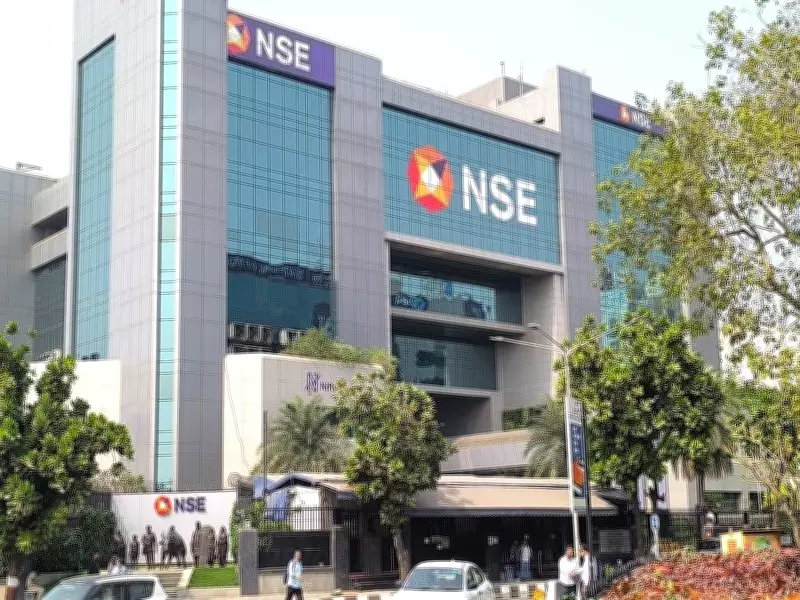
Indian equity markets suffered a sharp sell-off on July 8, 2026, after US President Donald Trump signaled the end of peace negotiations with Iran, triggering a wave of risk aversion. The Nifty 50 plunged over 500 points, or more than 2%, to close at 23,887.45, while the Sensex tumbled over 1,600 points, or around 2%, to 76,555. Broader indices also came under heavy pressure, with Nifty Financial Services and Nifty PSU Bank among the worst performers. The India VIX surged over 28%, reflecting heightened volatility.
Trump's Remarks Spark Oil Price Surge
Speaking at a news conference on the sidelines of the NATO Summit in Ankara, Trump stated, "To me, I think it's over. I don't want to deal with them anymore. They're scum... They're led by sick people... I'll speak to our negotiators. They want to negotiate--they're good people... but they have to come back to me. As far as I'm concerned, it's just a waste of time dealing with them." He also acknowledged renewed US strikes on Iran, saying, "We attacked, very powerfully last night, the very dangerous people from Iran... There's something wrong with them. We say, 'Go and do your funeral stuff,' and instead of that, they start shooting rockets at ships yesterday. So we hit them very hard last night." Following these comments, Brent crude rose nearly 4% to USD 76.71 per barrel, intensifying fears of a prolonged conflict in West Asia.
Experts Warn of Double Whammy for India
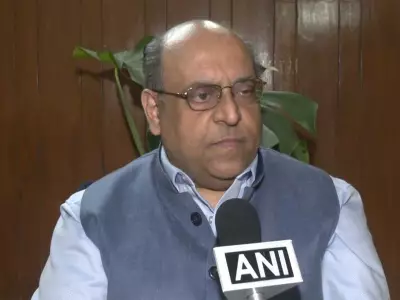
Market and banking expert Ajay Bagga commented, "The sudden collapse of the Memorandum of Understanding (MOU) between the US and Iran has triggered a sharp wave of risk-off sentiment across global financial markets, hitting Indian equities particularly hard. President Trump's declaration that the peace process is 'over' injects severe geopolitical uncertainty right back into the critical Strait of Hormuz transit corridor. With crude oil prices surging rapidly on renewed supply and security fears, India--as a major energy importer--faces a double whammy of potential imported inflation and fiscal pressure." Bagga added that investors were aggressively shedding risk, leading to the sharp sell-off on Dalal Street as global markets rapidly recalibrated for a prolonged, volatile standoff in West Asia. He noted that while the posturing might be driven by domestic compulsions, the risk of escalation remains real, and markets are pricing it in a hurry. He expressed hope that regional powers would prevail upon both sides to return to the negotiation table.

Volatility Expected to Persist
With crude oil prices climbing and geopolitical risks back in focus, Bagga expects market volatility to remain elevated until clearer signs of de-escalation emerge. The late sell-off wiped out gains from earlier sessions, leaving investors cautious. The broader market also saw heavy selling, with small-cap and mid-cap indices declining in tandem. The rupee weakened against the dollar, adding to concerns over imported inflation. Analysts advise monitoring developments in US-Iran relations and oil price movements for near-term market direction.