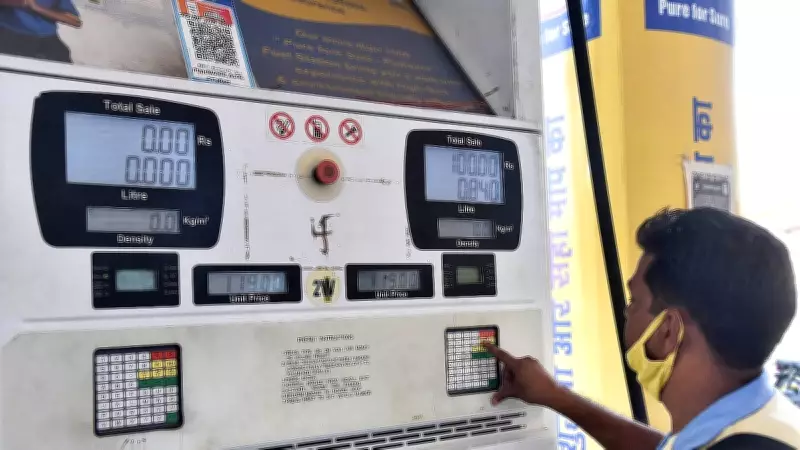
According to a recent report by ICRA, oil marketing companies (OMCs) in India are incurring significant losses on the sale of diesel and petrol. The rating agency estimates that the under-recovery on diesel stands at approximately Rs 18 per litre, while for petrol it is around Rs 14 per litre. This situation has arisen due to the sharp increase in international crude oil prices, which have not been fully passed on to consumers.
Reasons for the Losses
The primary factor behind these losses is the surge in global crude oil prices. Since the beginning of 2022, crude prices have risen substantially, crossing the $100 per barrel mark due to supply disruptions caused by the Russia-Ukraine conflict and other geopolitical tensions. Indian OMCs, however, have kept retail fuel prices unchanged for an extended period, despite the rising input costs. This has led to a widening gap between the cost of production and the selling price.
Impact on Oil Marketing Companies
The under-recoveries are putting immense pressure on the profitability of state-owned OMCs such as Indian Oil Corporation (IOC), Bharat Petroleum Corporation Limited (BPCL), and Hindustan Petroleum Corporation Limited (HPCL). ICRA notes that if the current situation persists, these companies may report losses in the first quarter of the fiscal year 2022-23. The losses could be partially offset by higher refining margins, but the overall impact on earnings is expected to be negative.

Government's Role and Potential Measures
The government has been cautious about increasing retail fuel prices due to concerns about inflation and the impact on consumers. However, sustained high crude prices may force a revision. Analysts suggest that the government could reduce excise duty on fuels or ask OMCs to absorb some losses. Another possibility is the issuance of oil bonds to compensate the companies, though this has been less common in recent years.
Consumer Perspective
For consumers, the current stable fuel prices provide relief, but the underlying losses indicate that a price hike may be imminent. If crude remains elevated, retail prices could rise by Rs 5-10 per litre in the coming months. This would increase transportation costs and potentially fuel inflation, affecting the broader economy.
Conclusion
The ICRA report highlights the challenging environment for oil marketing companies as they navigate high crude prices and government constraints on retail pricing. The situation underscores the delicate balance between ensuring affordable fuel for consumers and maintaining the financial health of state-owned oil firms. Stakeholders will be closely watching for any policy changes in the near future.