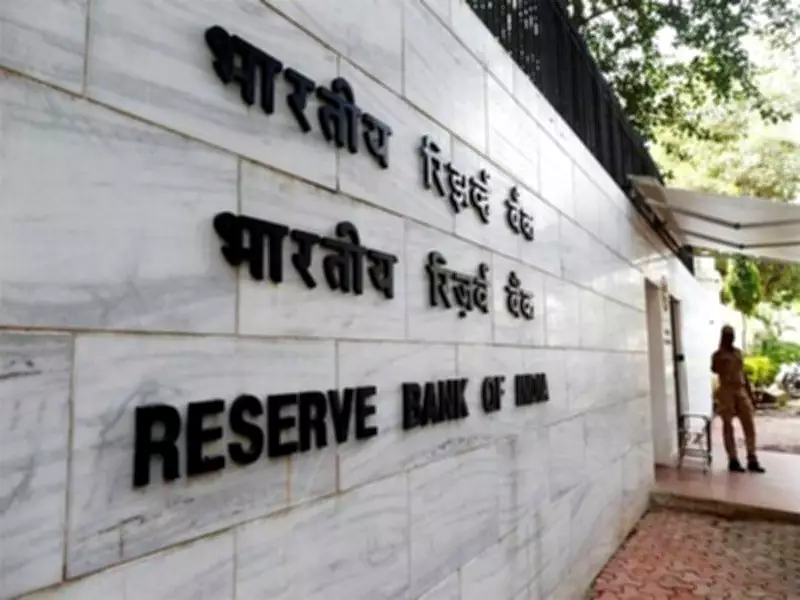
The Reserve Bank of India (RBI) has issued revised norms for classifying Non-Banking Financial Companies (NBFCs) in the Upper Layer category, including government-owned NBFCs. Under the new criteria, NBFCs with an asset size of Rs 1,00,000 crore and above, as per the latest audited balance sheet, will be categorized as Upper Layer.
Revised Asset Threshold and Review Cycle
The Upper Layer comprises NBFCs identified by the central bank as warranting enhanced regulatory requirements based on the revised asset threshold of Rs 1 lakh crore. The RBI stated that the asset criteria for categorizing NBFCs will be reviewed every three years.
Government-Owned NBFCs Included but Exempt from Listing
In amendments to earlier norms, the RBI has permitted eligible government-owned NBFCs to be part of the Upper Layer, adhering to an ownership-neutral approach. However, these government-owned NBFCs classified as Upper Layer will not be required to list on stock exchanges. In contrast, other Upper Layer NBFCs must list within three years of being recognized as NBFC-UL.

Eased Lending Norms for Infrastructure Finance Companies
The RBI has relaxed lending norms for NBFC-Infrastructure Finance Companies (NBFC-IFCs) in the Upper Layer. The large exposure limit for these IFCs has been increased to 45% of their eligible capital base, up from the previous 35%. This easing allows a group of connected borrowers to access larger funding, aiming to prevent infrastructure projects from stalling. The RBI noted that the relaxation considers the financing needs of the infrastructure sector and aims to avoid adverse impacts on projects.
Regulatory Oversight Rationale
NBFCs in the Upper Layer are systemically important due to their size and require enhanced regulatory oversight to prevent shocks to the financial system. The revised norms ensure that these entities are subject to appropriate scrutiny while supporting infrastructure financing.