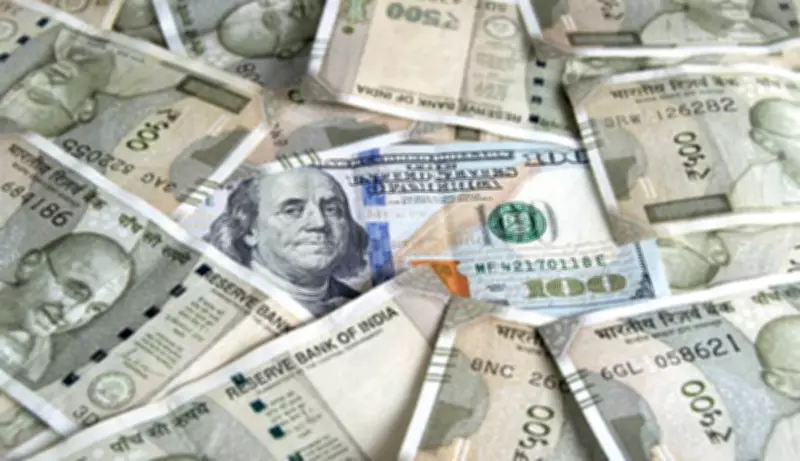
The Indian rupee depreciated by 10 paise to settle at 94.95 against the US dollar on Monday, June 1, 2026, reflecting sustained demand for the greenback from importers and banks. At the interbank foreign exchange market, the domestic unit opened at 94.93 against the dollar and oscillated between a high of 94.73 and a low of 95.03 during the trading session. The rupee's movement was influenced by a combination of factors, including global crude oil prices, foreign fund outflows, and the strength of the US dollar in international markets.
Market Dynamics
Forex traders noted that the rupee faced pressure from month-end dollar demand and uncertainties surrounding global trade policies. The dollar index, which measures the greenback's strength against a basket of six major currencies, edged higher, adding to the rupee's woes. Meanwhile, domestic equity markets showed mixed trends, with the BSE Sensex and NSE Nifty closing marginally lower, further dampening investor sentiment.
Impact of Global Factors
On the global front, rising crude oil prices weighed on the rupee as India imports a significant portion of its oil requirements. Brent crude futures traded above $85 per barrel, increasing the country's import bill. Additionally, foreign portfolio investors (FPIs) remained net sellers in the capital markets, pulling out funds and exerting downward pressure on the rupee.

Outlook
Analysts expect the rupee to remain range-bound in the near term, with the Reserve Bank of India (RBI) likely to intervene through market operations to curb excessive volatility. The focus now shifts to upcoming economic data releases and the trajectory of US interest rates, which could influence capital flows into emerging markets like India.