

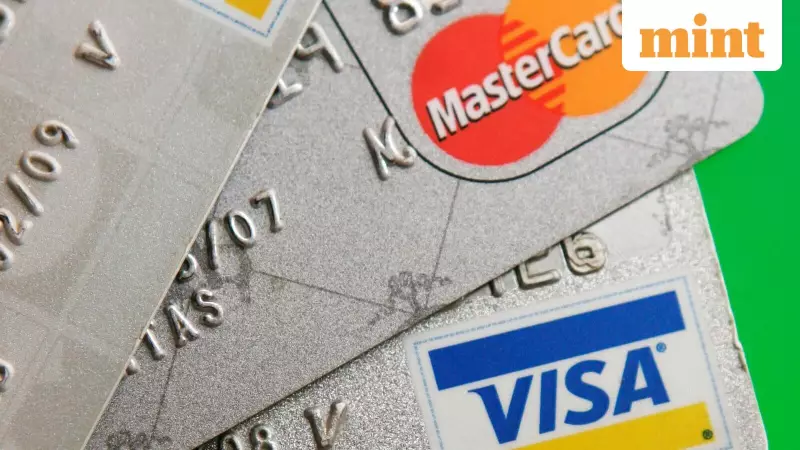
In a landmark decision set to reshape the payments landscape, global card networks Visa and Mastercard are finalising a settlement to end a colossal 20-year legal dispute with merchants. The resolution, reported by the Wall Street Journal, centres on reducing controversial interchange fees and granting stores unprecedented freedom to refuse certain credit cards.
What the Landmark Settlement Entails
The proposed terms, which require court approval to take effect, include two major concessions from the payment giants. First, Visa and Mastercard will lower credit-card interchange fees, which merchants pay for every transaction and typically range between 2% and 2.5%. These fees are slated to be reduced by an average of a tenth of a percentage point, a change that will be implemented gradually over a specified period.
Second, and perhaps more revolutionary, is the plan to relax long-standing 'honour-all-cards' rules. Currently, a merchant who accepts one Visa or Mastercard must accept all cards from that network. The new agreement would dismantle this, allowing a store to pick and choose. For instance, a shop accepting a basic Visa card could refuse a premium Visa rewards card that carries a higher processing fee.

The Roots of the Two-Decade Legal Feud
This legal battle has its origins in 2005 when a coalition of merchants filed a lawsuit against Visa, Mastercard, and several large banks. The core accusation was that the companies engaged in anti-competitive practices by setting high interchange fees and imposing rigid acceptance terms.
The path to this settlement has been rocky. Just last year, the companies had agreed to a separate deal that would have lowered fees by approximately 0.07 percentage points over five years. That agreement, which also aimed to give merchants more flexibility to add surcharges for credit card payments, was ultimately rejected by the court. The current, more comprehensive settlement is expected to address the issue of surcharging as well.
Implications for the Indian Market and Consumers
This development holds significant weight for India's rapidly digitalising economy. While the direct legal case is in the U.S., the global policies of these card networks often have a ripple effect. A reduction in interchange fees could eventually influence fee structures in other markets, including India.
The report highlights that banks and financial institutions issuing Visa and Mastercard cards collected a staggering $72 billion in interchange fees. If finalised, the deal is expected to cause a decline in these fees for some years, potentially lowering operational costs for merchants.
For Indian consumers, the most visible impact has been the practice of surcharging, where merchants add a small fee to a bill to offset the cost of accepting credit cards. The relaxation of rules could lead to more nuanced pricing at checkout, where using a premium rewards card might cost the consumer more than using a debit card or UPI. This settlement marks a pivotal shift in the balance of power between retail giants and financial networks, with tangible consequences for how everyone pays.






