Cardiologists Warn: Subtle Heart Symptoms After 40 Should Not Be Ignored
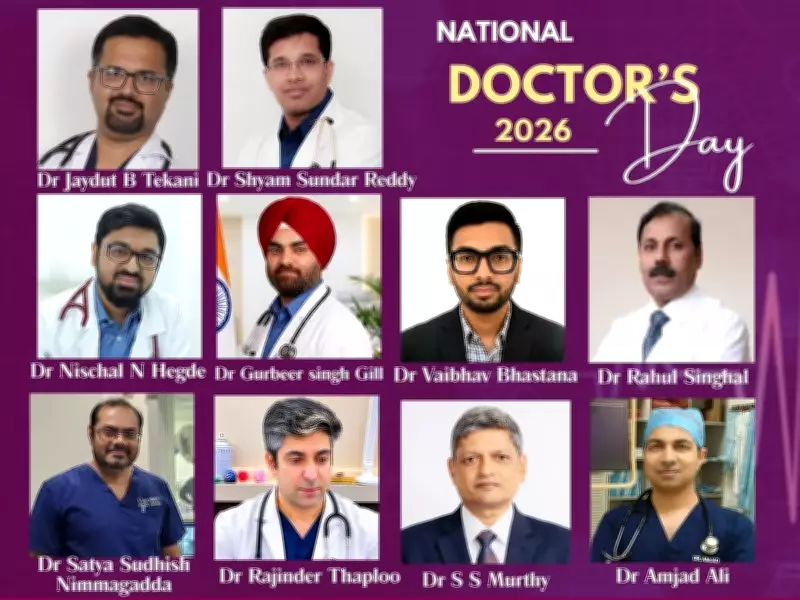
After the age of 40, the body often sends subtle warning signals that are easy to dismiss as stress, acidity, fatigue, or normal ageing. However, these may indicate underlying cardiovascular issues. On Doctor's Day 2026, cardiology experts emphasize early recognition of heart-related signs, especially for those with risk factors like sedentary lifestyle, high stress, poor diet, diabetes, hypertension, or family history.
Key Symptoms to Watch
Dr. S. S. Murthy, Director & HOD - Cardiology at Ayushman Hospital, Dwarka, New Delhi, notes that heart issues often start with subtle symptoms misattributed to indigestion. Key signs include chest discomfort, pain radiating to arms, neck, jaw, back, or abdomen; shortness of breath; excessive sweating; unexplained nausea or vomiting (notably in women, elderly, and diabetics); dizziness or fainting; palpitations; sudden fatigue; and swelling in legs, ankles, or abdomen. In certain groups, symptoms are vague—extreme fatigue, indigestion-like feelings, nausea, breathlessness, or back/neck/jaw pain without chest heaviness. Seek emergency help for chest pain lasting over 15-20 minutes, chest pain with sweating, breathlessness, or vomiting, loss of consciousness, severe palpitations with dizziness, or sudden severe shortness of breath. The mnemonic HEART (Heaviness, Exertional symptoms, Arm/jaw radiation, Resting breathlessness, Threatening syncope/palpitations) aids recognition.
Immediate Medical Evaluation Can Be Life-Saving
Dr. Jaydutt B. Tekani, Senior Consultant Interventional Cardiologist at K K Patel Super Speciality Hospital, Bhuj, Gujarat, stresses that heart health deserves greater attention after 40 as cardiovascular risk increases with age and lifestyle changes. Symptoms like chest pain or pressure, shortness of breath, irregular heartbeat, unexplained fatigue, dizziness, or pain spreading to jaw, shoulder, or left arm should never be overlooked. Regular health check-ups, monitoring blood pressure, blood sugar, and cholesterol, staying active, eating a balanced diet, and managing stress are essential. Early detection prevents serious complications.

Rising Heart Attacks in Younger Adults
Dr. Shyam Sundar Reddy Parupati, Senior Consultant Interventional Cardiologist at KIMS Hospital Kondapur, Hyderabad, highlights that heart disease is no longer just a problem of older adults. Across India, heart attacks are rising among people in their 30s and 40s due to sedentary lifestyles, unhealthy diets, diabetes, hypertension, smoking, obesity, and psychosocial stress. Although risk increases after 40, heart disease develops silently over years. Warning signs include chest pain or pressure, breathlessness during routine activities, pain radiating to arm, jaw, neck, or back, unexplained sweating, sudden dizziness or fainting, palpitations, and unusual fatigue. Women and diabetics may present with atypical symptoms like indigestion, nausea, or upper abdominal discomfort. Mental and emotional well-being also influences heart health—chronic stress, poor sleep, anxiety, depression, and burnout increase cardiovascular risk. Most heart diseases are preventable through lifestyle changes, regular exercise, healthy diet, avoiding tobacco, and routine check-ups after 40.
Advanced Cardiac Care and Prevention
Dr. Vaibhav J. Bhastana, Consultant Interventional and Structural Cardiologist at Saifee Hospital, Mumbai, urges adults over 40 to prioritize cardiovascular health. He emphasizes that heart disease often presents silently, but early warning signs like unexplained shortness of breath, chest tightness during mild exertion, or sudden dizziness can be lifesaving. Modern cardiac care offers minimally invasive options like Transcatheter Aortic Valve Implantation (TAVI) for severe aortic stenosis and complex coronary interventions for high-risk blockages. Despite advancements, prevention remains essential—a heart-healthy diet, regular exercise, and lifestyle balance are strongly recommended.

Global Perspective on Cardiovascular Disease
Dr. Rajinder Thaploo, Senior Interventional Cardiologist at VMI Palampur, Himachal Pradesh, notes that cardiovascular disease is a leading cause of death worldwide, particularly after 40. Key warning signs include persistent chest pain or pressure, unexplained shortness of breath, excessive fatigue, rapid or irregular heartbeats (palpitations), dizziness, lightheadedness, fainting, pain spreading to jaw, neck, back, shoulder, or left arm, and swelling in legs, ankles, or feet. Risk factors requiring extra vigilance include diabetes, hypertension, obesity, smoking, and family history. Early recognition and prompt medical evaluation can significantly reduce the risk of heart attack, stroke, and other emergencies. Preventive measures such as regular check-ups, monitoring blood pressure and cholesterol, heart-healthy diet, physical activity, and avoiding tobacco are essential.
Proactive Prevention with Advanced Imaging
Dr. Nischal N. Hegde, Interventional Cardiologist at The Bangalore Hospital, Jayanagar, Bengaluru, explains that earliest symptoms appear as chest discomfort or shortness of breath while walking uphill or climbing stairs, lasting a few minutes and improving with rest. When symptoms occur with lesser exertion, last longer, or appear at rest, urgent attention is needed. A sudden, severe, persistent chest pain is a life-threatening emergency. The cardiovascular team at The Bangalore Hospital uses a 640-slice dedicated cardiac CT scanner to diagnose patients in asymptomatic or minimally symptomatic stages, enabling timely treatment and reducing heart attacks and cardiac deaths.
Heart Rhythm Disorders and Electrophysiology
Dr. Rahul Singhal, Director - Interventional Cardiology & Cardiac Electrophysiology at Fortis Escorts Hospital, Jaipur, states that patients over 40 often overlook symptoms of heart rhythm disorders. Warning signs like unexplained palpitations, chest discomfort, dizziness, fainting episodes, shortness of breath, or unusually fast/irregular heartbeat should never be ignored. Early diagnosis through cardiac evaluation can prevent stroke, heart failure, or sudden cardiac arrest. He encourages regular health screenings and immediate medical attention for unusual symptoms.
Preventive Heart Care and Timely Diagnosis
Dr. Amjad Ali, Chief Consultant Cardiologist at Carewell Multispeciality Hospital, Bhopal, says many heart emergencies can be prevented if warning signs are recognized early after 40. Symptoms like persistent chest pain, unexplained shortness of breath, excessive fatigue, irregular heartbeat, dizziness, or discomfort spreading to arm, jaw, neck, or back should never be ignored. Regular cardiovascular screenings, monitoring blood pressure, cholesterol, and blood sugar, along with a balanced diet, physical activity, and avoiding tobacco, are essential. Timely diagnosis reduces risk of heart attacks and stroke.
Appropriate Use of Stents
Dr. Gurbeer Singh Gill, Cardiologist from Punjab, emphasizes that heart stents are lifesaving when used appropriately—during a heart attack or in carefully selected cases of severe coronary artery disease. Not every blocked artery requires immediate stenting; many patients with stable heart disease can be managed with medications, lifestyle modifications, and follow-up. The decision should be based on thorough clinical evaluation, symptoms, diagnostic findings, and evidence-based guidelines. Patients should discuss all options and seek second opinions when appropriate.
Every Minute Matters in Heart Health
Dr. Satya Sudhish Nimmagadda, Interventional Cardiologist at Yashoda Hospital, Hitec City, Hyderabad, notes that after 40, heart disease risk increases significantly. Warning signs include chest pain, pressure, tightness, or heaviness; pain radiating to arms, shoulder, neck, jaw, back, or upper abdomen; sudden or worsening shortness of breath; unexplained cold sweats; dizziness, fainting, or near-fainting; rapid or irregular heartbeat; unusual fatigue; swelling in legs, ankles, feet, or abdomen; and nausea or indigestion-like discomfort. Sudden neurological symptoms like facial drooping, weakness on one side, difficulty speaking, or vision changes require emergency care. People with high blood pressure, diabetes, high cholesterol, obesity, kidney disease, smoking, family history, or sedentary lifestyle should be especially vigilant. Even if symptoms resolve, they should not be ignored. Early recognition and timely medical evaluation save lives.