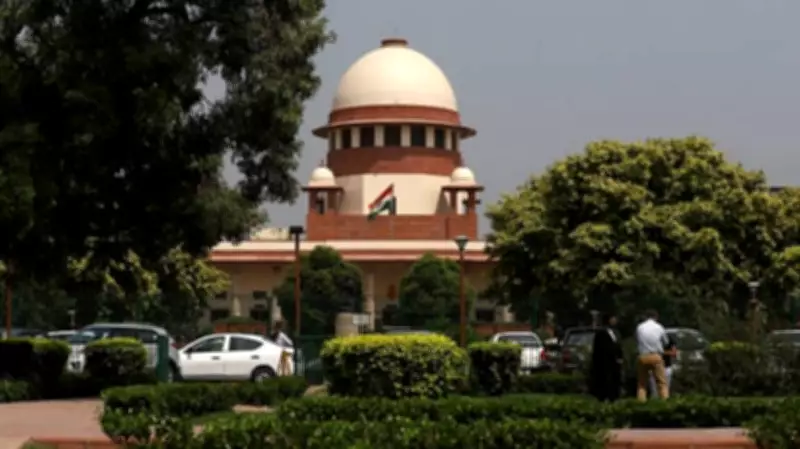
A Public Interest Litigation (PIL) has been filed in the Supreme Court seeking a comprehensive regulatory framework for stand-up comedy, podcasts, and live streaming platforms. The petition comes in the wake of the controversial 'Rs 370 Biryani' episode, which sparked widespread debate on the limits of free speech in digital content.
Petitioner's Clarification on Penal Action
The petitioner, whose identity has not been disclosed, explicitly clarified that the episode should not lead to penal action against the comedians involved. However, the plea underscores how digital platforms can amplify isolated statements into nationwide discourse, potentially causing social unrest or harming public sentiment.
Need for Regulatory Framework
The PIL argues that the current legal framework is inadequate to address the unique challenges posed by digital content platforms. It highlights that unlike traditional media, stand-up comedy and podcasts often involve spontaneous, unscripted material that can be easily taken out of context. The petition calls for guidelines that balance freedom of expression with the need to prevent hate speech, defamation, and incitement to violence.

According to the petitioner, the 'Rs 370 Biryani' row exemplifies how a single remark can escalate into a national controversy when disseminated through social media and live streaming. The incident involved a comedian allegedly making a remark about the price of biryani, which was interpreted as a veiled criticism of certain policies, leading to widespread outrage and calls for legal action.
Impact on Digital Platforms
Live streaming platforms, which host such content, have faced increasing scrutiny over their moderation policies. The petition notes that these platforms often lack clear guidelines for handling controversial material, resulting in inconsistent enforcement and potential censorship. A regulatory framework, the petitioner argues, would provide clarity for both content creators and platforms, ensuring accountability without stifling creativity.
The plea also references the growing popularity of podcasts and stand-up comedy as mediums for social commentary, which have become integral to India's cultural landscape. It emphasizes that any regulation must be crafted with input from stakeholders, including comedians, podcasters, and legal experts, to avoid arbitrary restrictions.
Supreme Court's Role
The Supreme Court has yet to issue a notice on the PIL. Legal experts suggest that the court may seek responses from the central government and the Ministry of Information and Broadcasting before proceeding. The outcome of this case could set a precedent for how digital content is regulated in India, impacting millions of content creators and consumers.