Pakistan Military Takes Over PIA: A Strategic Move
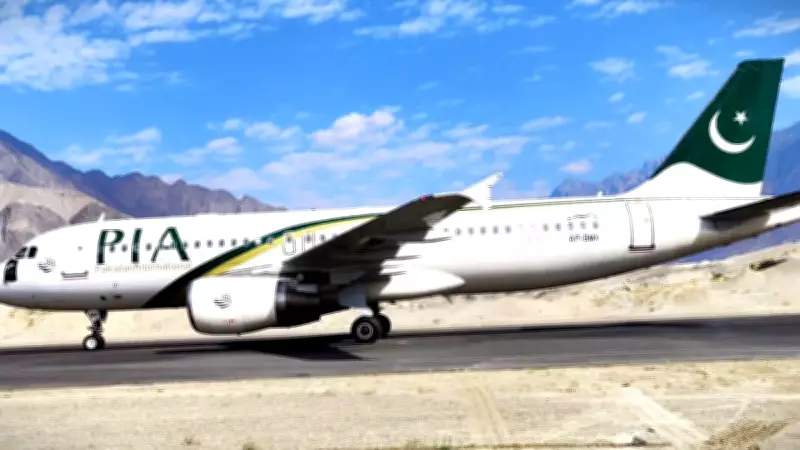
In a significant development, the Pakistan military has secured back route control of Pakistan International Airlines (PIA), the national carrier, through a complex corporate restructuring. This move has brought to light the intricate nexus between the army and corporate entities in Pakistan.
The takeover was executed via a shell company, which is now the majority shareholder of PIA. This company is reportedly linked to the military's welfare foundations, including the Fauji Foundation and Army Welfare Trust. According to sources, the military's intervention was aimed at reviving the loss-making airline, which has been a financial burden on the national exchequer.
Financial Struggles of PIA
PIA has been grappling with severe financial losses, accumulating debts of over PKR 500 billion. The airline's operational inefficiencies, coupled with a tarnished reputation due to past accidents and safety concerns, have led to a decline in passenger trust. The COVID-19 pandemic further exacerbated its woes, causing a 60% drop in revenue in 2020 alone.

The government had earlier attempted to privatize PIA but failed to attract buyers due to its massive liabilities. The military's entry into the scene was seen as a last-ditch effort to salvage the airline.
The Army-Corporate Nexus Explained
The Pakistan military has long been involved in various sectors of the economy, including agriculture, banking, and real estate. This latest move into aviation underscores its expanding footprint. Critics argue that such interventions stifle private enterprise and create an uneven playing field.
According to a report by the Pakistan Institute of Legislative Development and Transparency (PILDAT), the military controls over 30% of the country's economy through its welfare foundations. These entities enjoy tax exemptions and preferential treatment, giving them an edge over private competitors.
Implications for PIA's Future
The military's takeover is expected to bring about operational changes, including cost-cutting measures and fleet modernization. However, analysts remain skeptical about the long-term viability of this arrangement. "The military's involvement may improve efficiency in the short term, but it does not address the fundamental issues of governance and transparency," said aviation expert Ahmed Qadir.
There are also concerns about the lack of accountability in military-run enterprises. The move has sparked debates in Pakistan's parliament, with opposition parties calling for an inquiry into the takeover process.
Public Reaction and Future Outlook
The public reaction has been mixed. While some view the military's intervention as a necessary step to save the national carrier, others see it as an overreach of military authority. Social media platforms have been abuzz with discussions on the army-corporate nexus, with many calling for greater transparency.
As PIA enters a new chapter under military control, the world will be watching to see if this bold move can turn around the airline's fortunes or if it will further entrench the military's dominance in Pakistan's economy.