Joint pain and back problems are increasingly affecting young adults in their 20s, 30s, and 40s, according to leading orthopaedic specialists speaking on Doctors' Day 2026. Sedentary lifestyles, poor posture, prolonged screen time, lack of physical activity, obesity, and sports-related injuries are the primary drivers of this trend. Experts warn that ignoring persistent pain can lead to long-term complications and reduced quality of life.
Why Young Adults Are at Risk
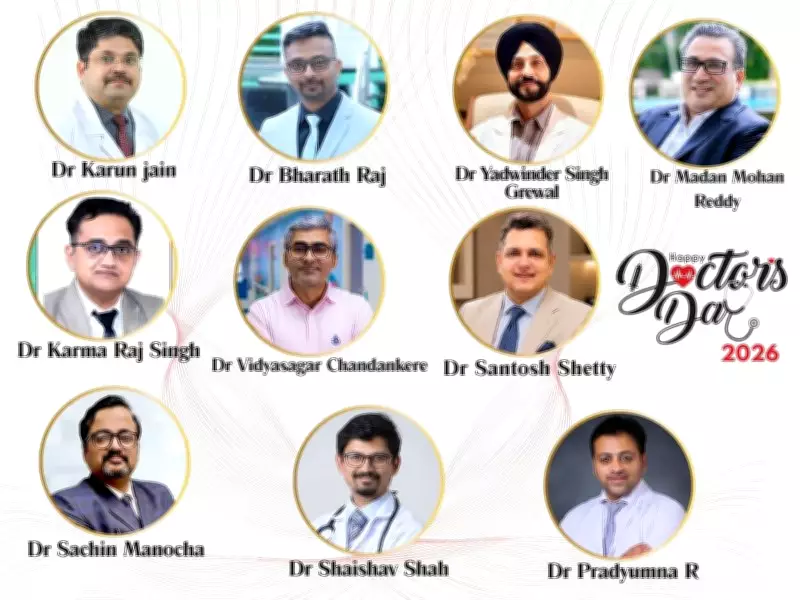
Dr. Santosh Shetty, Director & HOD of Orthopaedics & Joint Replacement at Surana Group of Hospitals, Mumbai, noted that joint and back pain, once considered problems of ageing, are now common among younger demographics. He cited sedentary lifestyles, prolonged screen time, poor posture, obesity, and repetitive stress injuries as major contributors. Many young professionals spend long hours sitting, leading to weakened muscles, spinal strain, and early joint wear and tear. Additionally, sports injuries, nutritional deficiencies, and rising stress levels accelerate musculoskeletal problems.
Dr. Yadwinder Singh Grewal, Consultant Orthopaedic Surgeon at Bombay Bone & Joint Clinic, Mumbai, with over 10 years of experience, has observed a significant rise in younger patients seeking treatment for knee, hip, and back pain. He attributes this to sedentary lifestyles, prolonged sitting, poor posture, weak muscles, sports injuries, obesity, and delayed treatment until pain becomes severe.

Warning Signs and Prevention
Dr. Vidyasagar Chandankere, Consultant Paediatric Orthopaedic Surgeon in Hyderabad, emphasized that back pain is no longer uncommon in children and teenagers. Lifestyle factors such as prolonged screen time, poor posture or "tech neck," overloaded school backpacks, lack of physical activity, and Vitamin D deficiency contribute to spinal problems at a young age. Weak core muscles and inadequate bone mineralisation can lead to persistent musculoskeletal pain during growing years. Parents should seek medical attention if a child under 10 experiences back pain, if pain wakes them from sleep, persists for more than two to three weeks, or is accompanied by fever, unexplained weight loss, leg weakness, tingling, or numbness.
Dr. Sachin Manocha, Consultant Orthopaedic Surgeon at The Healing Touch Paediatric & Orthopaedic Clinic, Faridabad, noted a significant rise in joint and back problems among young adults, largely attributed to modern lifestyle habits such as prolonged sitting hours, reduced physical activity, poor posture during laptop and mobile use, and increasing obesity levels. High-intensity workouts without proper guidance and untreated minor injuries also contribute to long-term musculoskeletal strain. Early symptoms like persistent back stiffness, knee pain, or shoulder discomfort should never be ignored, as they may indicate early degenerative changes or overuse injuries. Prevention remains key: regular exercise, correct posture, ergonomic workplace setups, weight management, and timely consultation with an orthopaedic specialist can significantly reduce risk.
Advanced Treatment Options
Dr. Karun Jain, Orthopaedic Surgeon at Shri Mahaveer Orthopaedic & Sports Injury Centre, Pushpanjali Medical Centre, New Delhi, highlighted regenerative orthopaedics, arthroscopy, and sports medicine as advanced, evidence-based treatments that help the body heal naturally. His centre has successfully treated professional athletes, active individuals, and patients from across India and several countries. Treatments include regenerative therapies, minimally invasive arthroscopic procedures, and personalized rehabilitation to accelerate recovery and delay or avoid major surgery.
Dr. Shaishav Shah, Spine Specialist and Director of Endoscopic Spine Foundation India, Vadodara, focuses on minimally invasive spine surgery using advanced endoscopic techniques and navigation technology. This approach minimizes tissue damage, enhances surgical accuracy, and enables faster recovery, making day care spine surgery a practical reality for appropriately selected patients.

Dr. Madan Mohan Reddy, Senior Consultant in Orthopaedics & Robotic Joint Replacement at Apollo Hospitals, Chennai, noted that robotic joint replacement has transformed treatment of hip and knee disorders, offering greater precision, improved implant alignment, minimal blood loss, reduced pain, and faster recovery compared to conventional techniques. Each procedure is carefully planned using advanced imaging to create a personalized surgical approach based on the patient's unique anatomy.
Role of Lifestyle and Hydration
Dr. Bharath Raj, Managing Director & Chief Orthopedic Surgeon at Mithra Multispeciality Hospital, Bengaluru, stressed that the recent upward trend in joint and back pain among young populations is purely related to lifestyle. He pointed out that inadequate water intake—ideally 1 litre per 25 kg of body weight—leads to dehydration and easy fatigue. Lack of exercise and wrong posture at work or work-from-home options further weaken the body. Maintaining ergonomics at work is crucial to prevent injuries.
Expert Advice for Young Adults
Dr. Pradyumna R, Consultant Orthopaedic Surgeon at Manipal Hospital & Bangalore Orthopaedic Clinic, Bengaluru, encouraged young adults not to ignore recurring joint or back pain. Investing in bone and joint health through an active lifestyle, preventive care, and timely medical consultation will help ensure lifelong mobility, independence, and a better quality of life.
Dr. Karma Raj Singh, President of Varanasi Orthopaedic Association and Founder & Director of Omega Plus Hospital, Varanasi, has served the community with advanced orthopaedic care for over 18 years. He introduced advanced joint replacement surgeries and provided affordable treatment to thousands of patients, including pioneering complex hip surgeries for children with congenital hip anomalies.
This Doctors' Day, orthopaedic specialists across India urge young adults to adopt preventive measures, recognize early warning signs, and seek timely medical care to maintain joint and spine health for decades to come.