

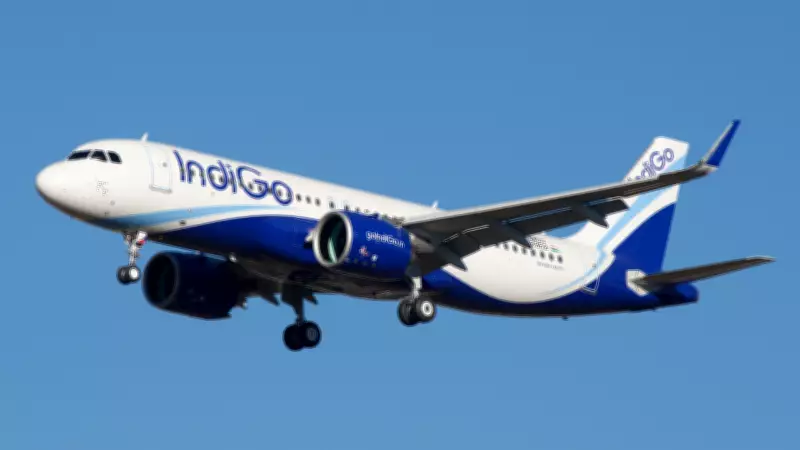
Domestic Airfare Caps to be Lifted, Passengers Face Higher Costs
Domestic air travelers in India should prepare for significantly higher ticket prices as the government removes fare caps next week. The aviation ministry has announced that the domestic airfare cap of Rs 18,000, which was imposed during the IndiGo crisis in December 2025, will be lifted effective Monday, March 23, 2026. This decision allows airlines to pass their massively escalated operating costs directly to passengers.
Ministry Warns Against Unjustified Fare Surges
While removing the fare restrictions, the aviation ministry has issued a stern warning to airlines. The official order states that excessive or unjustified surge pricing during peak demand periods, disruptions, or emergencies will be viewed seriously. The ministry retains the authority to reintroduce fare caps or other interventions if required in the public interest. Airlines have been specifically instructed to exercise pricing discipline and act responsibly toward passengers.
Airlines Face Worst Crisis Since COVID-19 Pandemic
The Indian aviation industry is confronting its most severe financial challenge since the COVID-19 pandemic six years ago. Multiple factors have converged to create this perfect storm:

- Rupee depreciation: The ongoing Israel-Iran war has caused the Indian rupee to plunge to new all-time lows on a daily basis, dramatically increasing airlines' dollar-denominated costs.
- ATF pricing concerns: Aviation turbine fuel (ATF) prices remain a major worry with no fiscal relief on excise duties from the central government or VAT reductions from states like Delhi and Mumbai.
- International capacity reduction: International airfares have already skyrocketed since the Iran-Israel conflict began, as operating capacity to and from Western countries has shrunk significantly, with major Gulf carriers operating very few flights.
Airlines' Financial Struggles and Limited Options
Most Indian airlines are struggling to remain financially viable in this challenging environment. While IndiGo and Tata Sons' Air India group possess deeper financial reserves, other carriers face existential threats. Airlines had previously requested the government to either provide fiscal relief on ATF pricing or maintain fare caps if their costs couldn't be similarly controlled.
Air India CEO Campbell Wilson highlighted the industry's dilemma in his weekly message to employees: "The financial impact of this crisis is yet to be fully felt. Although the spot price of jet fuel has more than doubled, most of the impact will only hit us from next month. We have already imposed a fuel surcharge on new tickets, but there's a limit to how high we can price before demand drops."
Market Normalization and Future Outlook
The aviation ministry cited market normalization as a key reason for removing the caps. With IndiGo's flight schedule fully restored and capacity returning across the sector, officials determined that fare restrictions were no longer necessary. However, airlines must ensure that fares remain reasonable, transparent, and commensurate with market conditions without adversely impacting passenger interests.
This development comes as over 20 nations have issued a joint statement condemning Iran's de facto closure of the Hormuz Strait, further complicating global aviation logistics. The situation remains fluid, with the potential for additional disruptions as geopolitical tensions continue to affect fuel prices and operational costs throughout the aviation industry.






