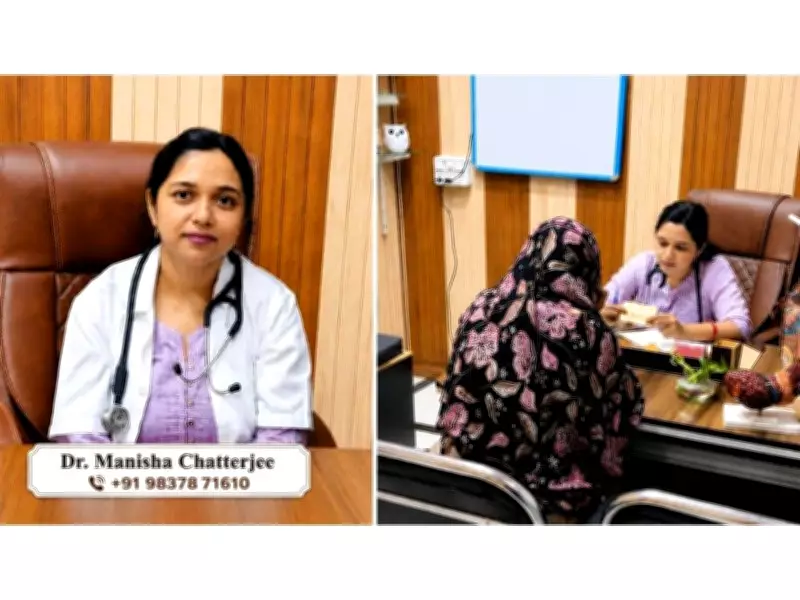
As India faces a sharp rise in diabetes and related metabolic disorders, physicians are increasingly advocating a shift from treatment-centric care to prevention and long-term lifestyle management. Dr. Manisha Chatterjee, a prominent diabetologist and endocrinologist based in Roorkee, Uttarakhand, is at the forefront of this movement, integrating scientific medical care with sustainable lifestyle interventions.
Academic and Clinical Excellence
Dr. Chatterjee holds an MBBS from PGI, Kolkata, an MD with a Gold Medal from Lala Lajpat Rai Government Medical College, Uttar Pradesh, and the prestigious Membership of the Royal Colleges of Physicians-Endocrinology and Diabetes (MRCP-Endocrinology and Diabetes), United Kingdom. With extensive experience managing diabetes, thyroid disorders, obesity, osteoporosis, and other endocrine diseases, she has become a trusted name in endocrine care across the country.
India's Diabetes Epidemic
India is home to one of the world's largest diabetic populations. Rapid urbanisation, sedentary lifestyles, unhealthy diets, rising obesity, chronic stress, and poor sleep have fueled an epidemic that increasingly affects younger adults and adolescents. According to health experts, without preventive strategies, diabetes-related complications will continue to burden individuals, families, and the healthcare system.

Dr. Chatterjee emphasises that diabetes is not merely elevated blood sugar but a complex metabolic disorder that can silently damage the heart, kidneys, eyes, nerves, and blood vessels if uncontrolled. However, with timely diagnosis, regular follow-up, and meaningful lifestyle modifications, most complications can be significantly delayed or prevented.
Nutrition as a Cornerstone
Nutrition is one of the most effective non-pharmacological interventions in diabetes care. Rather than recommending restrictive diets, Dr. Chatterjee encourages balanced nutrition comprising whole grains, fresh vegetables, seasonal fruits in moderation, lean proteins, healthy fats, and fibre-rich foods. She advises limiting refined carbohydrates, processed foods, and sugar-sweetened beverages while maintaining regular meal timings and portion control for better glycaemic stability.
Physical Activity and Its Benefits
Physical activity is another essential component of her treatment philosophy. She recommends at least 150 minutes of moderate-intensity exercise each week, supplemented by strength-training activities appropriate for age and health status. Regular exercise not only improves insulin sensitivity but also reduces cardiovascular risk, supports healthy weight management, and enhances overall well-being.
Stress and Sleep: Underestimated Factors
Dr. Chatterjee highlights two frequently underestimated factors in diabetes management: stress and sleep. Persistent psychological stress increases hormone levels that adversely influence blood glucose, while inadequate sleep contributes to insulin resistance and metabolic dysfunction. She encourages patients to adopt stress-reduction techniques such as yoga, meditation, breathing exercises, and consistent sleep routines as part of comprehensive diabetes care.
Integrating Modern Technology with Healthy Habits
While newer medications and continuous glucose monitoring technologies have transformed diabetes management, Dr. Chatterjee believes these innovations are most effective when supported by healthy daily habits. She also advocates routine screening for individuals with obesity, hypertension, family history of diabetes, or previous gestational diabetes, emphasising that early diagnosis provides the best opportunity to prevent irreversible complications.
Collective Societal Action
Beyond the clinic, Dr. Chatterjee strongly believes that diabetes prevention requires collective societal action. Families, educational institutions, workplaces, and community organisations all have an important role in encouraging healthy eating, regular physical activity, and preventive health awareness.

"Lifestyle is not merely an adjunct to diabetes treatment—it is its foundation. Medicines are undoubtedly important, but lasting improvements in nutrition, physical activity, sleep, and stress management enable patients to achieve better glucose control and significantly reduce long-term complications. Every healthy decision made today is an investment in a healthier tomorrow," says Dr. Manisha Chatterjee.
As India continues its battle against the growing diabetes epidemic, clinicians like Dr. Manisha Chatterjee are demonstrating that effective diabetes care extends well beyond prescriptions. By combining clinical excellence with patient education and lifestyle modification, she is helping individuals not only manage diabetes but also lead healthier, more fulfilling lives.
Dr. Manisha Chatterjee is available for online consultation at drmanishachatterjee@gmail.com.