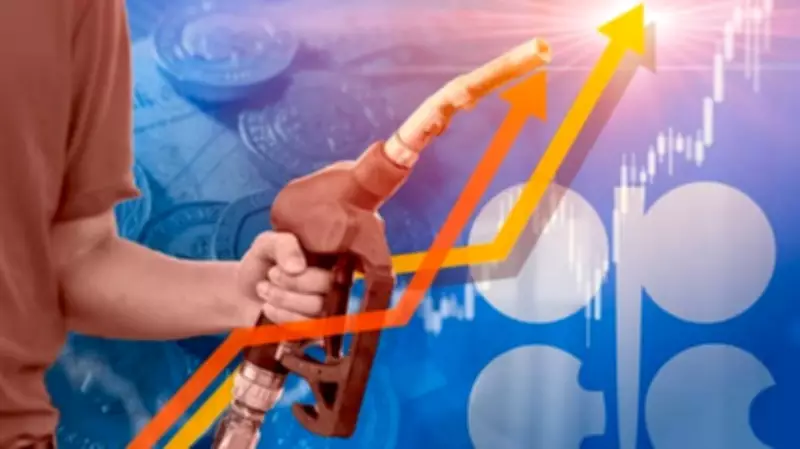
The recent surge in fuel prices in India has once again brought to the forefront the intricate relationship between politics and economics. As global oil prices continue to fluctuate, the impact on domestic markets is inevitable. However, the manner in which such economic shocks are managed can significantly influence their severity.
The Politics of Fuel Pricing
Fuel pricing in India is not merely an economic decision; it is deeply political. Governments often hesitate to raise prices due to potential public backlash, especially before elections. This leads to delayed adjustments, which can create a larger shock when changes are finally implemented. The current hike is a case in point, where accumulated under-recoveries have necessitated a sharp increase.
Economic Implications
Higher fuel prices have a cascading effect on the economy. They increase transportation costs, which in turn raise the prices of goods and services, fueling inflation. This disproportionately affects the lower and middle classes, who spend a larger share of their income on essentials. The government faces a dilemma: balancing fiscal prudence with political acceptability.

Need for Transparency and Timely Action
Economic shocks such as oil price hikes can be moderated through timely and transparent policy decisions. When governments communicate clearly about the reasons for price changes and the expected duration, public trust increases. Moreover, gradual adjustments can help consumers adapt without severe disruptions. The current crisis underscores the need for a more predictable pricing mechanism that reduces political interference.
Long-term Solutions
To mitigate future vulnerabilities, India must accelerate its transition to renewable energy sources and reduce dependence on imported oil. Investments in electric vehicles, public transportation, and energy efficiency can provide long-term relief. Additionally, building strategic petroleum reserves can cushion the impact of global price volatility.
In conclusion, the fuel price hike is a reminder that economic policies cannot be divorced from political realities. However, with better planning and transparency, the adverse effects can be minimized. The government must take decisive steps to protect consumers while ensuring fiscal stability.