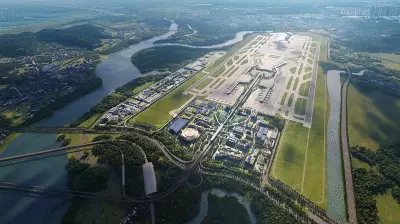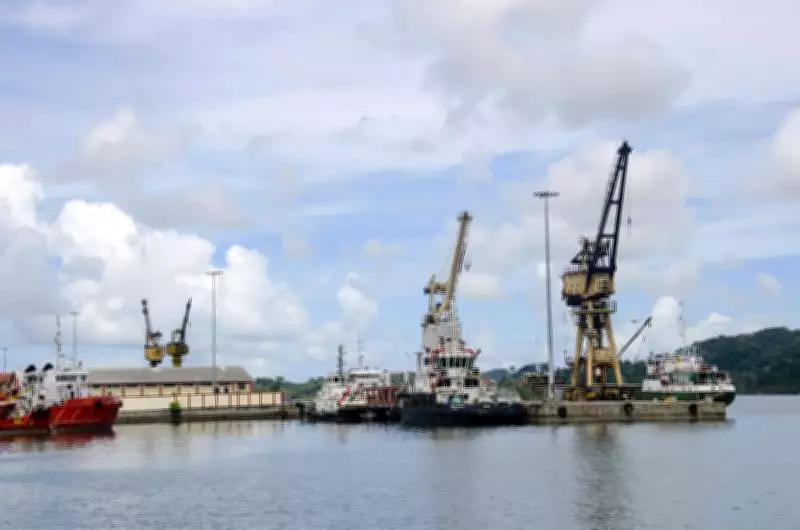
The Great Nicobar project, which includes a major transhipment port at Galathea Bay, has secured approval from the relevant authorities, moving forward despite significant concerns raised by environmentalists and tribal rights activists. The project, which is part of India's strategic infrastructure development in the Andaman and Nicobar Islands, is expected to enhance trade connectivity and boost economic growth in the region.
Project Details and Objectives
The transhipment port at Galathea Bay is a key component of the larger Great Nicobar development plan. It aims to create a world-class port capable of handling large container ships, thereby reducing India's dependence on foreign ports for transhipment. The project also includes the development of an international airport, a township, and other supporting infrastructure. The total investment is estimated to be around Rs 72,000 crore.
Strategic Importance
Located near the Malacca Strait, one of the world's busiest shipping lanes, the port is expected to serve as a strategic hub for maritime trade in the Indian Ocean region. It will facilitate faster and more efficient movement of goods between Southeast Asia and South Asia, potentially reducing logistics costs for Indian businesses.

Concerns and Opposition
Despite the potential benefits, the project has faced strong opposition from environmental groups and indigenous communities. The Great Nicobar Island is home to the Shompen and Nicobarese tribes, who have expressed concerns about displacement and loss of their traditional lands and livelihoods. Environmentalists warn that the construction could damage fragile ecosystems, including rainforests and coral reefs, and threaten biodiversity.
Approval Process
The approval was granted after a detailed review by the Ministry of Environment, Forest and Climate Change, which imposed several conditions to mitigate environmental impact. These include measures to protect wildlife, preserve forest cover, and ensure minimal disruption to tribal communities. The project proponents have committed to implementing these safeguards.
Next Steps
With the approval in place, the project is expected to move into the construction phase soon. However, activists have indicated they may challenge the decision in court. The government maintains that the project will be developed in an environmentally sustainable manner and that the rights of tribal communities will be protected through compensation and rehabilitation plans.