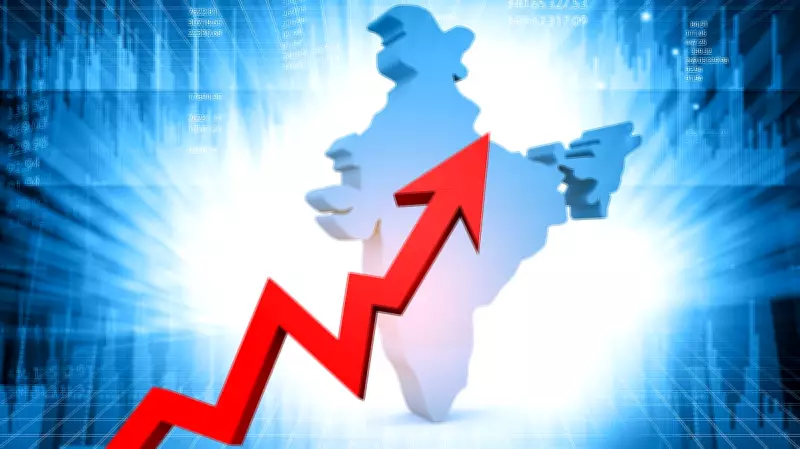
BMI Research, a Fitch Solutions company, has revised its forecast for India's economic growth, projecting a slowdown to 6.7% in the next fiscal year. The revision is attributed to waning economic momentum and the impact of a sustained oil price shock. The forecast represents a decline from the estimated 7.0% growth in the current fiscal year.
Key Factors Behind the Slowdown
The research firm highlighted several factors contributing to the deceleration. Firstly, the fading post-pandemic rebound effect is leading to a natural normalization of growth rates. Secondly, elevated global oil prices are exerting pressure on India's import bill, widening the trade deficit and weakening the rupee. This, in turn, fuels inflationary pressures and constrains domestic consumption.
Oil Price Impact
BMI notes that India, as a major oil importer, is particularly vulnerable to oil price shocks. The recent surge in crude prices, driven by geopolitical tensions and supply constraints, is expected to persist. Higher oil prices increase production costs across sectors, reduce corporate margins, and dampen consumer spending. The resulting inflationary environment may also limit the Reserve Bank of India's ability to maintain accommodative monetary policy.

Domestic Demand Concerns
On the domestic front, the firm points to signs of weakening demand. Rural consumption, which had shown resilience, is now facing headwinds from rising inflation and uneven monsoon rains. Urban demand, while relatively robust, is also showing signs of moderation. Investment activity, though supported by government capital expenditure, remains cautious in the private sector due to global uncertainties.
Government and Policy Response
The government has taken steps to mitigate the impact, including reducing excise duties on fuel and implementing measures to boost exports. However, BMI suggests that further policy support may be limited due to fiscal constraints. The fiscal deficit target for the current year is already under pressure from higher subsidy outlays and lower-than-expected tax revenues.
Inflation and Monetary Policy
Inflation is expected to remain above the central bank's comfort zone for the coming months, driven by food and fuel prices. The RBI has already begun tightening monetary policy, with two consecutive rate hikes. BMI expects further rate increases in the near term, which could temper economic activity. The firm projects inflation to average 5.5% in the next fiscal year, down from 6.0% in the current year but still above the 4% target.
Global Headwinds
Beyond oil, the global economic environment is becoming less supportive. Slowing growth in major economies like the US, Eurozone, and China is expected to reduce demand for Indian exports. The ongoing Russia-Ukraine conflict continues to disrupt supply chains and elevate commodity prices. BMI also cautions that tighter global financial conditions could lead to capital outflows from emerging markets like India.
Long-Term Outlook
Despite the near-term slowdown, BMI remains optimistic about India's long-term growth potential. The country's demographic dividend, digitalization drive, and structural reforms are expected to support medium-term growth. However, the firm emphasizes the need for sustained policy efforts to enhance competitiveness, improve ease of doing business, and boost manufacturing.
In conclusion, while India's growth trajectory remains positive, the pace is set to moderate in the coming fiscal year. The interplay of domestic and external factors, particularly oil prices and global demand, will be critical in shaping the economic outlook. Policymakers face the challenge of balancing growth support with inflation control amid a complex global landscape.