India requires a sustained economic growth rate of 7 to 8 per cent to realise its vision of becoming a developed nation, or "Viksit Bharat," by 2047. This target depends significantly on a revival in private sector investments and robust export growth, according to Mahendra Dev, Chairman of the Economic Advisory Council to the Prime Minister (EAC-PM).
Private Investment and Exports Critical for Growth
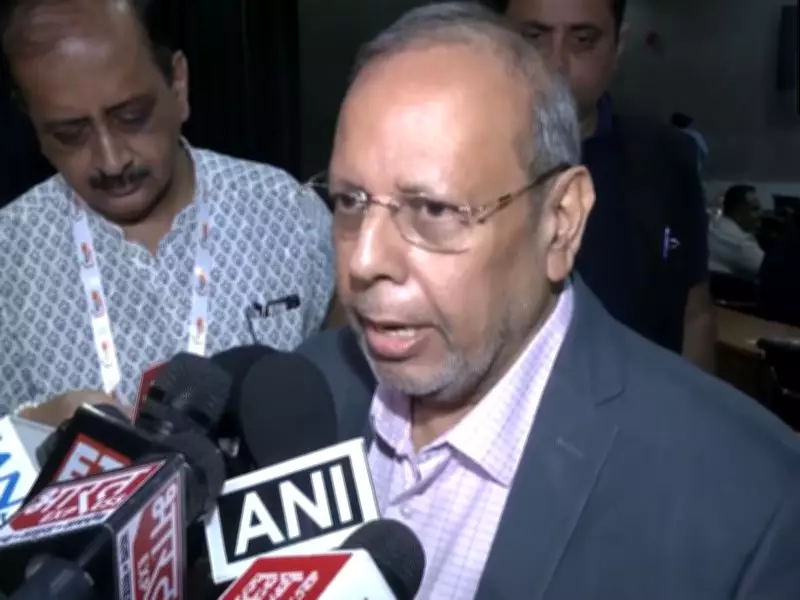
Speaking on the sidelines of the FICCI India Innovative Crop Nutrition Conclave 2026 in New Delhi, Dev emphasised that structural reforms implemented over recent years have laid the foundation for this trajectory. "We need 7% to 8% growth for Viksit Bharat, and we need investment for that. So, private sector investment is equally important, and export growth is also important," he stated.
Dev clarified that the Atmanirbhar Bharat (self-reliant India) initiative does not signal a retreat from global trade. Instead, the policy focuses on enhancing domestic competitiveness and product quality to boost exports. "Atmanirbhar Bharat doesn't mean import substitution, but we are basically saying that the domestic competition should increase the quality of the products so that we can export more," he added.

Structural Reforms and Demographic Advantage
The government has identified 100 specific items where domestic manufacturing can substitute foreign goods, aiming to reduce import dependencies. This strategy, coupled with ongoing efforts to improve the ease of doing business and ease of living, forms part of a broader plan to shield the economy from external shocks. Dev noted, "Geopolitically, the government has emergency plans from the COVID prep onwards. So we can probably withstand all these shocks, and shocks will be there in future also."
Highlighting India's strengths, Dev said, "We have demographic advantage and technology improvement skills. So all these things will lead to the Viksit Bharat by 2047."
Agricultural Reforms and Fertiliser Subsidies
On the agricultural front, Dev noted a shift away from traditional chemical inputs as a key policy focus. The government aims to increase the share of organic and natural farming to manage fertiliser subsidy consumption and fiscal burden. Recent global commodity price shifts have provided relief: international urea prices dropped from USD 900 to USD 450 per tonne, reducing the subsidy burden.
Dev expressed confidence in current food reserves, stating that India maintains enough pulse stocks to keep domestic food inflation from rising significantly. However, external factors pose risks. "Overall, because of the West Asia war and also a bit of El Nino...I think I agree with the RBI projections of 6.6% growth and also 5.1% inflation," he said.