India Intensifies LPG Production Amid Critical Supply Challenges
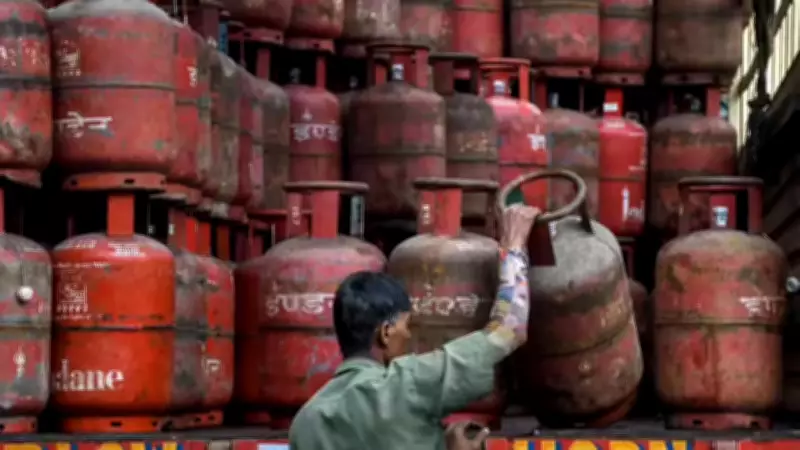
The Ministry of Petroleum and Natural Gas announced on Monday that India has significantly accelerated its domestic LPG production, achieving a remarkable 36% increase within just a fortnight. This urgent measure aims to address the escalating demand for domestic cooking gas cylinders across the nation. However, officials concurrently expressed serious apprehension regarding the overall availability of liquefied petroleum gas, describing the situation as "worrisome" due to external geopolitical factors.
Strategic Shift to Piped Gas and Distribution Incentives
Sujata Sharma, Joint Secretary in the Ministry of Petroleum and Natural Gas, emphasized a strategic push to transition consumers from traditional cylinders to piped natural gas (PNG) systems. Both domestic households and commercial establishments are being actively encouraged to adopt this more stable supply alternative. To facilitate this shift, city gas distribution companies have launched a series of compelling incentives nationwide.
Key promotional offers include:

- Indraprastha Gas in Delhi-NCR is providing free gas worth ₹500 to domestic PNG consumers
- Mahanagar Gas in Mumbai has eliminated the ₹500 registration charge for domestic connections and waived security deposits for commercial users
- Bharat Petroleum has removed security deposit requirements for all commercial PNG connections
Geopolitical Disruptions Impacting Critical Energy Imports
While India maintains relative stability in crude oil availability, officials acknowledged palpable pressure on LPG supplies stemming from the closure of the Strait of Hormuz. This vital maritime chokepoint typically facilitates the transit of substantial energy shipments from West Asian countries to India. The nation's import dependency reveals significant vulnerability: approximately 90% of crude requirements, 50% of natural gas needs, and 60% of LPG consumption are sourced internationally.
More critically, over half of India's crude imports, about 30% of gas supplies, and an overwhelming 85-90% of LPG imports originate from West Asian nations and traverse the Hormuz Strait. Unlike crude oil, which benefits from strategic reserves, LPG lacks such buffer storage, forcing authorities to arrange supplies from whatever available sources they can secure.
Mitigation Strategies and Supply Management
India has partially offset crude supply disruptions by diversifying sources, including increased procurement from Russia. However, gas supplies to industrial users have been deliberately curtailed, and LPG availability to commercial establishments like hotels and restaurants has been limited. These measures prioritize ensuring domestic consumers experience minimal disruption to their cooking fuel access.
Petroleum Minister Hardeep Singh Puri previously indicated India was exploring additional LPG sources including the United States, Norway, Canada, and Russia. However, ministry officials declined to provide specific details regarding additional cargoes secured through these alternative channels during Monday's briefing.
Operational Improvements and Market Monitoring
Sharma reported that no LPG dealerships have experienced complete dry-outs, and authorities are taking stringent action against hoarding and black marketing activities. Significant operational improvements include an increase in online bookings from 84% to 90%, alongside expanded delivery authentication coverage rising from 53% to 72%. These enhanced verification measures aim to prevent unauthorized diversion of cylinders at the distributor level, ensuring supplies reach intended consumers efficiently.
The petroleum ministry continues to monitor the evolving situation closely, balancing increased domestic production with strategic import diversification while implementing robust distribution controls to maintain essential cooking gas availability for India's households during this period of international supply chain uncertainty.