

India Rejects Fuel Restrictions, Emphasizes Robust Energy Security
The Indian government on Thursday firmly ruled out any plans to impose restrictions on the sale of petrol and diesel, addressing widespread speculation and concerns. Officials asserted that there is no shortage of oil and gas in the country, with refiners actively securing additional imports to maintain steady supplies.
Government Clarifies Fuel Availability Amid Global Uncertainty
In a strong statement, the petroleum ministry described India as an "oasis of energy security," noting that the nation supplies refined fuel to over 150 countries worldwide. The ministry emphasized that domestic petrol and diesel availability is structurally assured, with all retail fuel outlets operating without interruption. "Not a single outlet has been asked to ration supply," it clarified, countering rumors that had led to isolated incidents of queues at filling stations.
Strategic Reserves and Supply Chain Measures
The government revealed that India currently has two months of oil supplies and one month of LPG requirements already available in reserves. Against a reserve capacity of 74 days, actual availability stands at about 60 days, ensuring nearly two months of steady supply for every citizen. Additionally, oil companies have increased credit to petrol pumps from one day to three days to prevent any disruptions in the distribution network.

Diversification and Domestic Production Boost
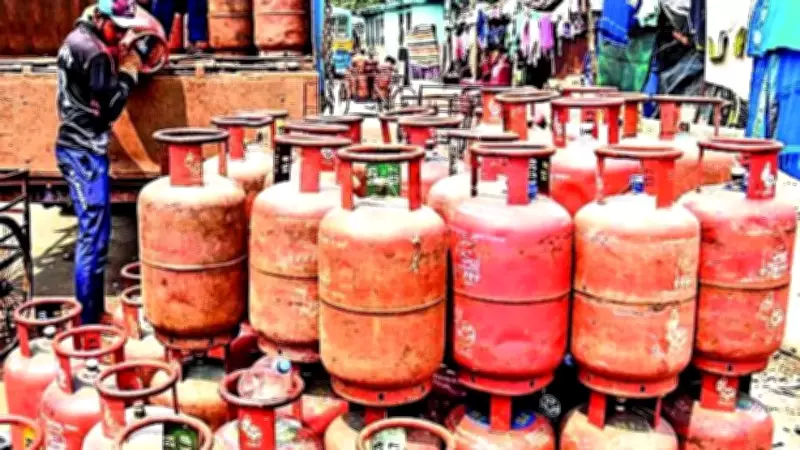
To mitigate reliance on imports, particularly from West Asia, India has diversified its crude sourcing to 41 countries. Higher volumes from the western hemisphere are compensating for potential disruptions in key regions like the Strait of Hormuz. Domestically, LPG production has been ramped up by 40% to 50,000 tonnes per day, meeting approximately 60% of demand, with 800,000 tonnes of inbound cargoes en route and over 50 lakh cylinders distributed daily.
Addressing Misinformation and Future Strategies
The clarification from the ministry comes amid global steps to curb fuel use and speculation that India might follow suit. It attributed recent queues at stations to "deliberate misinformation" rather than actual shortages. The government also highlighted ongoing strategies, such as transforming LPG connections to PNG for cheaper fuel, which began before the current global situation, underscoring proactive energy management.
Overall, the Indian government's stance reinforces confidence in the nation's energy infrastructure and its ability to navigate global tensions without compromising domestic fuel security.






