

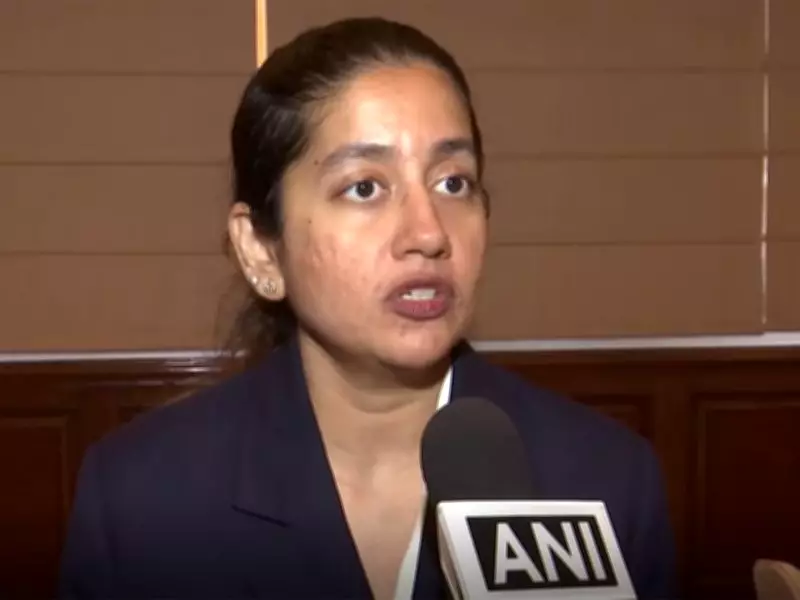
India is adopting a comprehensive long-term strategy to counter geopolitical and economic risks, according to Deepa Kumar, a senior economist at S&P Global. In a recent analysis, Kumar highlighted that India's approach focuses on building resilience through diversification, digitalization, and policy reforms.
Strategic Focus Areas
The strategy encompasses several key areas aimed at strengthening India's economic foundation. These include enhancing domestic manufacturing capabilities under the 'Make in India' initiative, boosting infrastructure investment, and fostering innovation in technology and services. Kumar emphasized that these measures are designed to reduce vulnerability to global shocks and supply chain disruptions.
Geopolitical Considerations
On the geopolitical front, India is strengthening its diplomatic ties and promoting regional cooperation. The country is actively engaging with multiple global partners to ensure stable trade routes and energy security. Kumar noted that India's neutral stance in global conflicts allows it to maintain balanced relations with major powers, thereby mitigating risks associated with geopolitical tensions.

Economic Resilience
Economically, India is focusing on fiscal consolidation, inflation control, and financial sector stability. The government's push for digital payments and financial inclusion is expected to enhance economic efficiency. Kumar pointed out that India's demographic dividend and growing middle class provide a strong domestic demand base, which acts as a buffer against global economic downturns.
Policy Reforms and Implementation
The strategy includes ongoing policy reforms in labor, agriculture, and energy sectors. These reforms aim to improve the ease of doing business, attract foreign investment, and promote sustainable growth. Kumar stressed that consistent implementation is crucial for achieving long-term objectives.
Global Context
In the context of rising global uncertainties, including trade wars and regional conflicts, India's proactive stance is noteworthy. Kumar concluded that if executed effectively, India's long-term strategy could position the country as a stable and resilient economy in the coming decades.






