

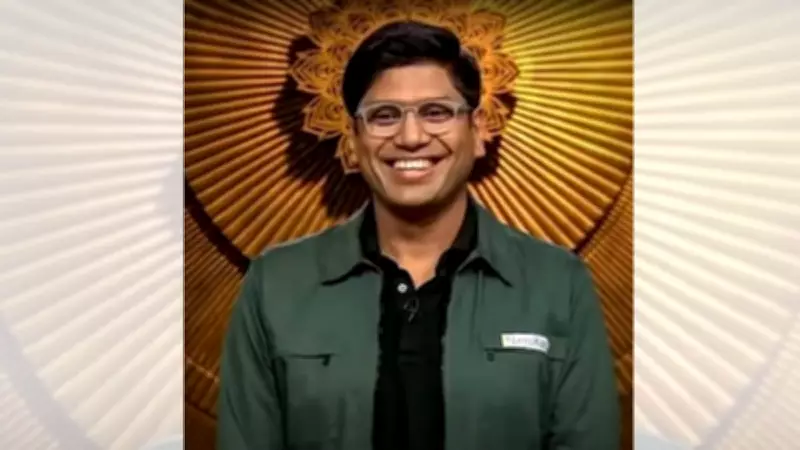
Lenskart founder Peyush Bansal has stepped forward to address a viral document that has sparked widespread concern online. In a series of tweets, Bansal clarified that the circulating document is an outdated internal training material and does not represent the company's current HR policies.
Clarification on Viral Document
Bansal emphasized that the document, which has been shared widely on social media, is not an official HR policy. He stated, "I have listened to your concerns and I understand your sentiment around this. I want to add more context to my earlier post. The document currently circulating is an outdated internal training document. It is not an HR policy." He further explained that the document contained an incorrect line, which has led to misunderstandings about Lenskart's stance on religious expression.
Assurance on Religious Expression
In his tweets, Bansal directly addressed the core issue, assuring that Lenskart's current guidelines fully support religious freedom. He said, "Our policy has no restrictions on any form of religious expression, including bindi and tilak, and we..." This statement aims to dispel fears that the company imposes any limitations on employees' cultural or religious practices.

Public Reaction and Criticism
The clarification has not gone unchallenged. Social media user Shefali Vaidya responded critically, questioning the validity of Bansal's explanation. She tweeted, "Sorry, this explanation makes NO sense. Please point out why is the document I have shared 'inaccurate'. It is from February 2026. And if it does not reflect your 'current guidelines' as you say, please share the current guidelines." This exchange highlights the ongoing public scrutiny and demand for transparency from corporations regarding their internal policies.
Implications for Corporate Governance
This incident underscores the importance of clear and up-to-date communication in corporate settings. As outdated documents can easily go viral, companies like Lenskart must ensure their internal materials are regularly reviewed and aligned with current practices. Bansal's response reflects a growing trend where business leaders are compelled to address public concerns directly through social media platforms.
The controversy also touches on broader issues of religious freedom in the workplace, a topic of significant relevance in today's diverse corporate environments. By publicly affirming support for religious expression, Lenskart aims to reinforce its commitment to inclusivity and employee welfare.






