LongStraw Carbon is demonstrating how climate action can generate meaningful rural livelihoods in Odisha's Kalahandi district by transforming agricultural waste into biochar. This carbon removal solution also strengthens local economies and improves soil health.
Addressing Regional Challenges Through Biochar
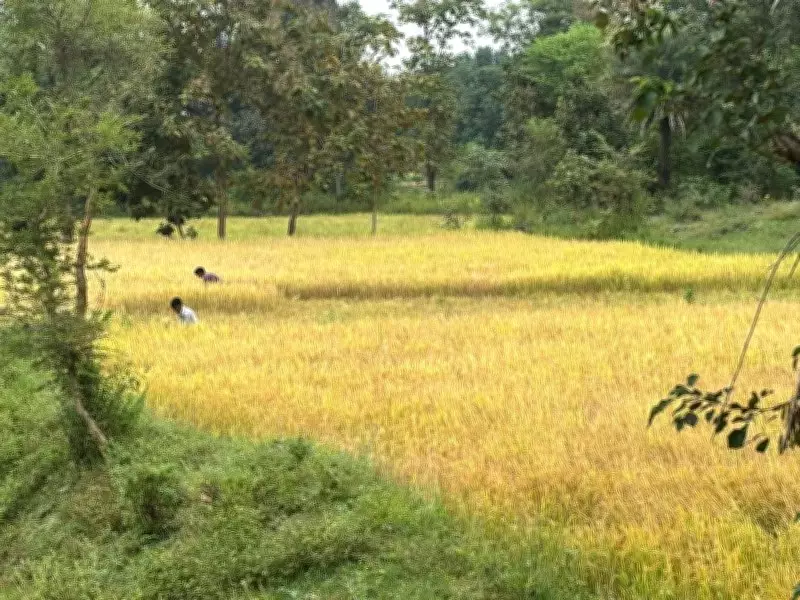
Kalahandi, located in the Eastern Ghats, is home to tribal communities including the Kondh, Gond, Bhunjia, and Paraja. Despite its rich biodiversity and proximity to Karlapat Wildlife Sanctuary, the region has historically faced recurring droughts, erratic monsoons, and seasonal migration driven by limited employment opportunities.
To address these challenges, LongStraw Carbon has established a biochar-based carbon removal initiative that procures rice husk and other agricultural residues from local rice mills and supply chains. Instead of being burned or discarded, the biomass is converted into biochar, enabling long-term carbon sequestration while creating value from agricultural waste.

Employment Generation for Tribal Communities
The initiative is generating employment across biomass aggregation, logistics, processing, quality control, and field operations. A significant share of these opportunities is being created for women from nearby tribal communities, providing access to stable income while reducing the need for seasonal migration.
According to the company, the project prioritizes local hiring and training, ensuring that community members gain skills in sustainable agricultural practices and carbon project operations. This approach not only provides immediate income but also builds long-term capacity within the region.
Environmental and Agricultural Benefits
Beyond employment, the project contributes to environmental restoration. Biochar has been widely recognized for improving soil structure, enhancing water retention, supporting beneficial microbial activity, and reducing nutrient loss. These benefits can improve agricultural resilience in drought-prone regions such as western Odisha.
Farmers using biochar-amended soil have reported better crop yields and reduced need for chemical fertilizers, according to preliminary field observations shared by LongStraw Carbon. The company notes that biochar can sequester carbon for hundreds to thousands of years when incorporated into soil, making it a durable climate solution.
A Scalable Model for Inclusive Development
By integrating climate mitigation with livelihood creation and sustainable agriculture, LongStraw Carbon is presenting a scalable model that aligns environmental responsibility with inclusive rural development. The initiative illustrates how carbon removal projects can simultaneously support local communities, strengthen agricultural ecosystems, and contribute to India's sustainability goals.
LongStraw Carbon plans to expand its operations to other districts in Odisha and neighboring states, aiming to process thousands of tonnes of agricultural residue annually. The company is also exploring partnerships with carbon credit buyers to finance further expansion, ensuring that climate action delivers tangible economic benefits to India's most vulnerable populations.