The Indian retail sector is undergoing a fundamental shift as consumers increasingly seek destinations that offer more than just shopping. Experience-led retail has redefined the role of malls, transforming them into integrated lifestyle hubs where shopping, dining, entertainment, wellness, and community engagement converge under one roof.
Drivers of Change in Retail
Industry experts attribute this evolution to changing consumer behaviour, rapid urbanisation, rising disposable incomes, and a growing preference for experiential spaces over transactional retail. Today's shoppers visit malls not merely to make purchases but to seek meaningful experiences, quality leisure time, and destinations that combine convenience with lifestyle offerings.
Developers across major metropolitan cities are responding by creating next-generation retail destinations designed around experience rather than just retail floor space. Entertainment zones, curated food streets, family recreation areas, open-air plazas, premium hospitality, cultural programming, and digital-first customer engagement have become defining features of modern retail developments.

Noida Emerges as a Retail Hub
The National Capital Region, particularly Noida, has emerged as one of India's fastest-growing retail destinations. Backed by world-class infrastructure, expanding residential catchments, improved metro connectivity, and a rapidly growing working population, the city is witnessing sustained demand for organised retail and mixed-use developments.
According to Sikka Group, the future of retail lies in creating destinations that seamlessly integrate commerce, lifestyle, and community experiences. The company stated: "Consumers today expect much more than a shopping destination. They seek spaces where families can spend an entire day, professionals can unwind after work, brands can engage meaningfully with customers, and communities can come together. This shift is fundamentally changing the way retail destinations are conceptualised and developed."
Mall of Noida: A Case Study
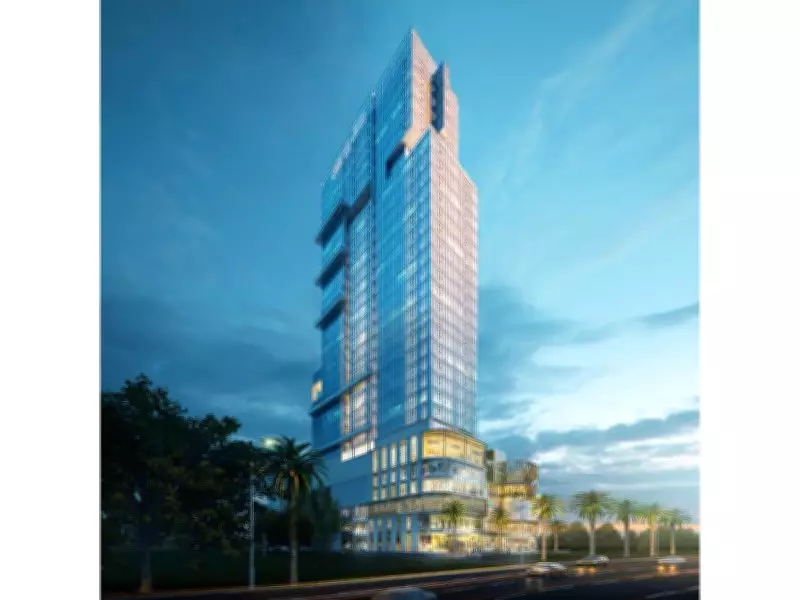
Reflecting this evolving market, Mall of Noida by Sikka Group has been envisioned as a destination aligned with the next generation of retail experiences. The development aims to bring together premium retail brands, entertainment, food and beverage, leisure, and community-focused spaces, catering to the aspirations of modern urban consumers.
Retail experts note that experience-led developments create stronger value for retailers. Higher visitor engagement, increased dwell time, repeat footfalls, and diversified consumer experiences contribute to stronger business performance while helping brands establish deeper customer relationships.
Investment Implications
The emergence of destination malls is also influencing investment patterns within commercial real estate. Investors increasingly favour developments that combine retail, entertainment, hospitality, and social infrastructure, recognising that experiential assets are likely to remain resilient amid evolving consumer preferences and the continued growth of e-commerce.
Sikka Group believes organised retail will continue to evolve into integrated lifestyle ecosystems that support both economic growth and urban development. The company added: "As cities become more connected and consumer aspirations continue to evolve, destination malls will play an increasingly important role in shaping urban experiences. Future-ready developments will be defined not merely by the brands they house, but by the experiences they create and the communities they build."
Outlook for Organised Retail
With India's organised retail sector entering its next phase of growth, destination developments such as Mall of Noida are expected to contribute to the creation of vibrant commercial ecosystems that combine shopping, leisure, business, and entertainment—reflecting the changing expectations of the country's modern consumer.
For developers like Sikka Group, the focus is no longer on constructing shopping centres but on creating landmark destinations that become integral to the social and economic fabric of the cities they serve.