Maruti Suzuki Deploys 1 MWh BESS at Kharkhoda Facility
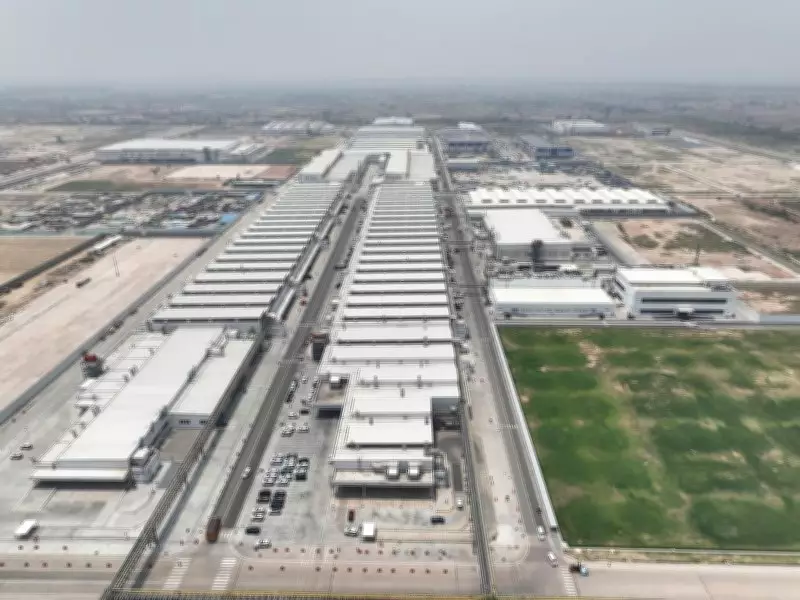
Maruti Suzuki India Limited has commissioned a 1 MWh Battery Energy Storage System (BESS) at its Kharkhoda manufacturing facility, marking a significant step toward strengthening its green energy ecosystem, the company announced on July 8, 2026.
The BESS is designed to store surplus solar power generated by a 20 MWp solar power project installed at the same facility in 2025. During facility holidays, the solar plant continues to generate electricity but cannot be utilized due to the absence of demand. The BESS captures this excess energy and supplies it when needed, improving grid stability.
Pilot Integration and Environmental Impact
According to the company statement, the BESS has been integrated into the Kharkhoda facility's internal electricity distribution network on a pilot basis. The system has a lifecycle of about 15 years and is expected to reduce nearly 54 tonnes of CO₂ emissions annually.

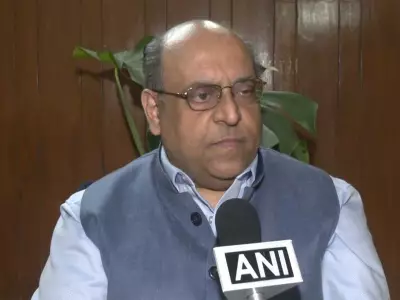
Hisashi Takeuchi, Managing Director & CEO of Maruti Suzuki India Limited, said, “Maruti Suzuki is strongly aligned with India's focus on building self-reliant energy ecosystems. The introduction of Battery Energy Storage System (BESS) at our Kharkhoda facility is part of these continued efforts. With a lifecycle of about 15 years, BESS will help to reduce nearly 54 tonnes of CO₂ emissions annually.”
Commitment to Reducing Emissions
Takeuchi further emphasized the company’s long-term environmental goals, stating, “Going forward, our production volumes will increase from current levels. Despite this, we remain committed to lower Scope 1 & 2 emissions not only in terms of CO2 intensity but also in absolute CO2 emission in manufacturing. Our approach is in line with our parent company, Suzuki Motor Corporation's environmental vision, which has set an intermediate target to reduce Scope 1 & 2 CO2 emissions by 42% by FY 2030-31 compared to FY 2022-23.”
Background: Solar Power Installation
In 2025, Maruti Suzuki installed a 20 MWp solar power project at the Kharkhoda facility. However, during facility holidays, the solar power plant continued to generate electricity without demand, leading to wastage. The BESS now addresses this issue by storing the surplus power for later use.
The initiative aligns with India's broader push for self-reliant energy ecosystems and supports Maruti Suzuki's goal of reducing its carbon footprint in manufacturing operations.