Nagpur Petrol Outlets Face Temporary Closure After Oil Companies Suspend Credit Sales
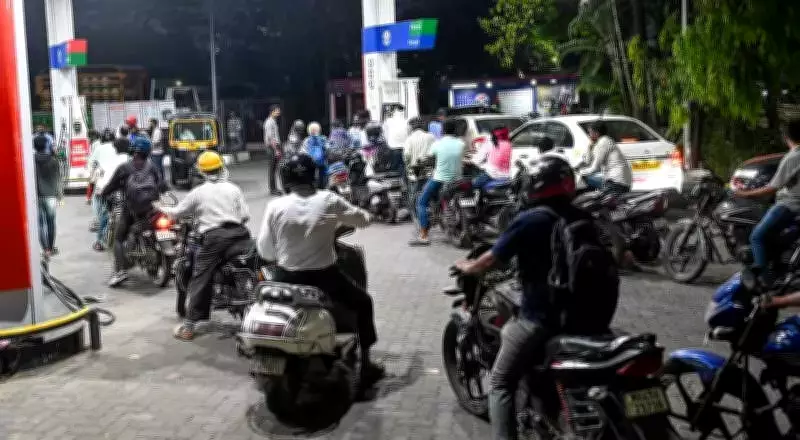
In a significant development affecting the local fuel supply chain, five to six petrol outlets in Nagpur were forced to shut down temporarily on Monday. This disruption stems directly from a major policy shift implemented by Public Sector Undertaking (PSU) oil marketing companies in response to the ongoing West Asia crisis.
End of Credit System Disrupts Established Trade Cycle
Prior to the recent geopolitical tensions, oil companies routinely sold fuel stock, particularly diesel, to retail outlets on a credit basis. This allowed pump owners to receive inventory without immediate upfront payment, facilitating smoother cash flow operations. However, following the escalation of the West Asia crisis, this long-standing practice was abruptly halted.
The new mandate requires petrol pump dealers to deposit funds in advance before receiving any fuel shipments. This sudden shift from credit-based to prepayment transactions has created immediate operational challenges. Sources indicate that several outlets simply ran dry because the necessary advance payments could not be arranged in time, leading to the temporary closures witnessed on Monday.

Dealers Association Highlights Cascading Financial Impact
Amit Gupta, President of the Nagpur branch of the Federation of Maharashtra Petroleum Dealers Association, explained the profound impact on the trade cycle. "The entire ecosystem was built on credit," Gupta stated. "Pumps received fuel on credit from the oil companies and, in turn, often sold it to commercial customers like transport operators on a deferred payment basis. Now, the credit from the upstream companies has stopped, but recoveries from our downstream customers remain a persistent issue. This double squeeze is severely affecting liquidity and operations."
The crisis underscores a fragile link in the fuel distribution network. While the oil companies' move is seen as a risk mitigation strategy amid international uncertainty, it has transferred significant financial pressure onto the retail dealers. The situation highlights how geopolitical events, such as the West Asia conflict, can have direct and tangible consequences on local business operations and essential commodity supply chains far from the epicenter of the crisis.
Industry observers are now watching closely to see if this becomes a sustained policy or a temporary measure, and how dealers will adapt their financial models to cope with the increased demand for working capital in the absence of supplier credit.