

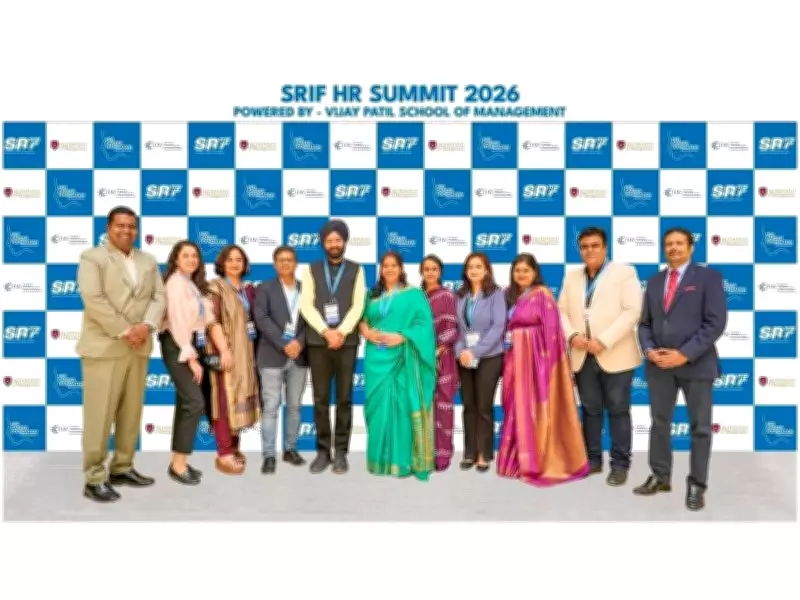
Rethinking Talent and AI in HR: Insights from SRIF HR Summit 2026
The SRIF HR Summit 2026, a premier event in the human resources domain, convened industry leaders, experts, and practitioners to explore the evolving intersection of talent management and artificial intelligence. Held recently, the summit provided a platform for in-depth discussions on how AI is reshaping HR functions, from recruitment to employee engagement, while emphasizing the need for a balanced, human-centric approach.
The Role of AI in Modern HR Practices
Speakers at the summit underscored that AI is no longer a futuristic concept but a present-day tool driving efficiency and innovation in HR. Key applications highlighted include:
- Recruitment and Onboarding: AI-powered systems are streamlining candidate screening, reducing bias, and personalizing onboarding experiences to enhance early employee integration.
- Performance Management: Advanced analytics and machine learning algorithms are enabling real-time performance tracking, predictive insights for career development, and tailored feedback mechanisms.
- Employee Engagement: Tools leveraging natural language processing and sentiment analysis are helping HR teams monitor workplace morale, identify issues proactively, and foster a more inclusive environment.
Experts noted that while AI automates repetitive tasks, its true value lies in augmenting human decision-making, allowing HR professionals to focus on strategic initiatives like talent development and organizational culture.

Challenges and Ethical Considerations
The summit also addressed critical challenges in integrating AI into HR. Panelists warned against over-reliance on technology, which could lead to depersonalization and ethical dilemmas. Key concerns raised include:
- Data Privacy and Security: With AI systems processing vast amounts of employee data, ensuring compliance with regulations like GDPR and maintaining robust cybersecurity measures is paramount.
- Algorithmic Bias: There is a risk of AI perpetuating existing biases in hiring and promotions if not carefully designed and audited. The summit called for transparent AI models and diverse training datasets.
- Skill Gaps: As AI transforms job roles, upskilling HR teams and employees to work alongside intelligent systems is essential to avoid displacement and maximize productivity.
Speakers advocated for ethical AI frameworks that prioritize fairness, accountability, and human oversight, ensuring technology serves as an enabler rather than a replacement for human judgment.
Future Trends and Strategic Recommendations
Looking ahead, the SRIF HR Summit 2026 outlined emerging trends that will define the future of HR. These include the rise of hybrid work models, increased focus on employee well-being, and the integration of AI with other technologies like blockchain for secure credential verification. Strategic recommendations from the event include:
- Invest in Continuous Learning: Organizations should foster a culture of lifelong learning, offering training programs to help employees adapt to AI-driven changes.
- Adopt a Human-Centric Approach: While leveraging AI, HR must retain empathy and personal touch, using technology to enhance, not replace, human interactions.
- Collaborate Across Sectors: Partnerships between corporations, academia, and tech firms can drive innovation and develop best practices for AI in HR.
The summit concluded that the successful integration of AI in HR hinges on a balanced strategy that combines technological advancement with a deep commitment to human values, ultimately redefining talent management for the digital age.






