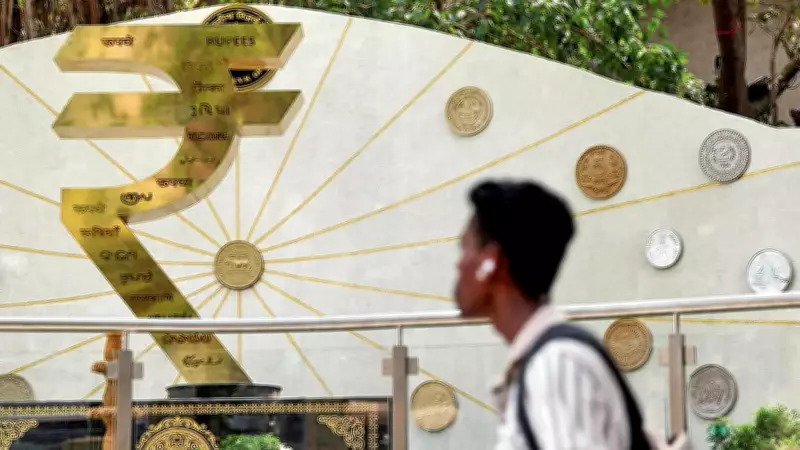
The Indian rupee has been depreciating sharply, falling from Rs 85.8 per dollar at the start of 2025 to a record low of nearly Rs 97 last week. This decline is primarily attributed to the overvaluation of Indian stock markets compared to their global peers, which has prompted foreign portfolio investors (FPI) to exit en masse. In the last 18 months, a staggering $53 billion has been withdrawn from Indian equities.
Why the Rupee Is Falling
The strength of Indian stock markets, often seen as a sign of economic success, has paradoxically become a curse for the rupee. Overvalued stocks have encouraged global investors to sell their holdings at high prices and move their capital to other emerging markets or safe havens in the West. This massive capital outflow has exerted downward pressure on the rupee, pushing it to historic lows.
Impact of FPI Outflows
The $53 billion exodus of foreign portfolio investment represents a significant reversal of capital flows. While strong markets allowed FPIs to lock in profits, the resulting rupee depreciation has raised concerns about inflation and import costs. The Reserve Bank of India has intervened in the forex market to stabilize the currency, but the persistent selling pressure has limited its effectiveness.

Global Context
India is not alone in facing currency depreciation, but the magnitude of outflows highlights unique vulnerabilities. Other emerging markets have also experienced capital flight due to global monetary tightening and geopolitical uncertainties. However, India's overvalued equity markets have made it a prime target for profit-taking by foreign investors.
What Lies Ahead
Analysts suggest that the rupee may remain under pressure until Indian stock valuations correct to more attractive levels or global risk appetite improves. The government and RBI are closely monitoring the situation, but structural reforms to enhance export competitiveness and attract stable long-term capital may be needed to address the underlying weakness.