

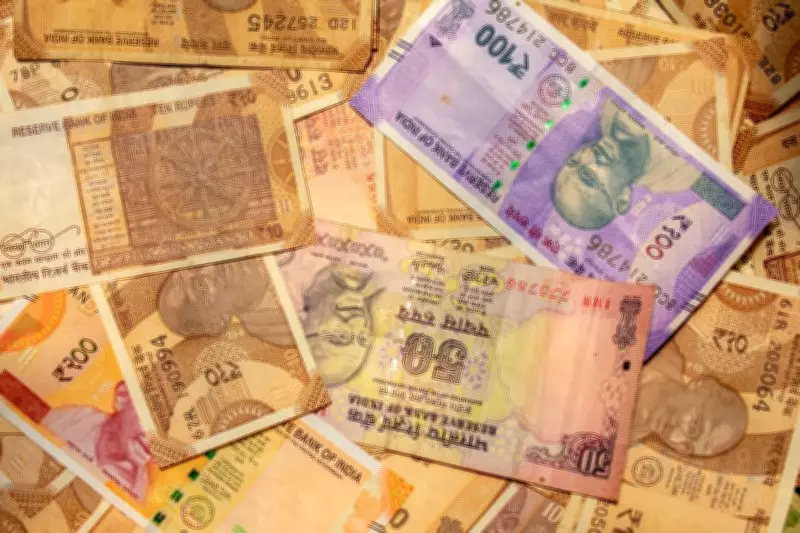
The Indian rupee has plunged to an unprecedented low, touching 96.7 against the US dollar for the first time in history. This steep decline has raised concerns among economists and market analysts, who attribute the fall to a combination of global economic uncertainties and domestic pressures. The rupee's depreciation marks a significant milestone, reflecting the challenges faced by the Indian economy in the current global landscape.
Key Factors Behind the Decline
Several factors have contributed to the rupee's sharp fall. Rising crude oil prices have put immense pressure on India's import bill, widening the trade deficit. Additionally, the strengthening of the US dollar in international markets, driven by aggressive interest rate hikes by the Federal Reserve, has further weakened the rupee. Foreign portfolio investors have also been pulling out capital from emerging markets like India, seeking safer returns in the US.
Global Economic Concerns
The global economic environment remains volatile, with geopolitical tensions and inflationary pressures affecting currency markets worldwide. The ongoing conflict in Eastern Europe and supply chain disruptions have added to the uncertainty, prompting investors to move towards safe-haven assets. This trend has adversely impacted emerging market currencies, with the rupee being no exception.

Impact on Indian Economy
The rupee's depreciation has mixed implications for the Indian economy. On the positive side, it could boost exports by making Indian goods cheaper in international markets. However, it also increases the cost of imports, particularly crude oil, which could fuel inflation. Industries reliant on imported raw materials may face higher production costs, potentially squeezing profit margins. Moreover, the depreciating currency may lead to higher prices for consumers, affecting purchasing power.
Government and RBI Response
The Reserve Bank of India (RBI) has been intervening in the foreign exchange market to curb excessive volatility. Despite these efforts, the rupee has continued its downward trajectory. The government has assured that it is monitoring the situation closely and is prepared to take necessary steps to stabilize the currency. Analysts believe that coordinated policy measures, including possible rate hikes and fiscal adjustments, may be required to address the underlying issues.
In the long term, strengthening the domestic economy through structural reforms and reducing dependence on imported energy could help mitigate such vulnerabilities. For now, the rupee's slide to 96.7 serves as a stark reminder of the challenges posed by global economic headwinds.






