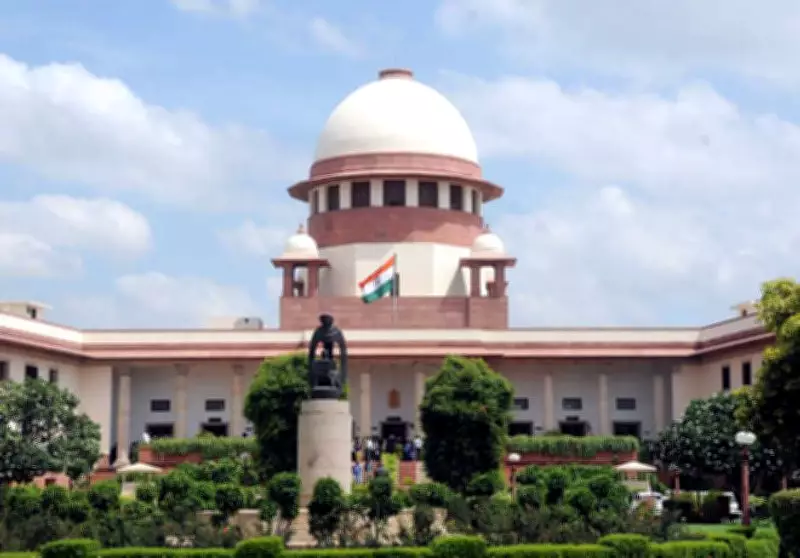
Supreme Court Mandates Fair Investigation in SEBI Case Against ADAG Companies
The Supreme Court of India has issued a significant directive, calling for a fair and impartial investigation against companies associated with the Anil Dhirubhai Ambani Group (ADAG). This development comes in response to a case filed by the Securities and Exchange Board of India (SEBI), which has been scrutinizing the business practices of these corporate entities. The apex court's intervention underscores the importance of maintaining procedural integrity and ensuring that justice is served without any bias or undue influence.
Background of the SEBI Case and Legal Proceedings
The legal proceedings stem from allegations raised by SEBI regarding potential regulatory violations by ADAG companies. SEBI, as India's primary securities market regulator, has been actively monitoring corporate activities to safeguard investor interests and maintain market transparency. In this context, the Supreme Court's involvement highlights the gravity of the matter and the need for a thorough examination of the facts. The court has emphasized that the investigation must be conducted in a manner that upholds the principles of natural justice, allowing all parties involved to present their cases fairly.
Implications for Corporate Governance and Regulatory Compliance
This directive from the Supreme Court is expected to have far-reaching implications for corporate governance standards in India. By insisting on a fair probe, the court is reinforcing the accountability of large business conglomerates and the role of regulatory bodies like SEBI. It sends a clear message that no entity, regardless of its size or influence, is above the law. This move is likely to boost investor confidence, as it demonstrates the judiciary's commitment to protecting stakeholder rights and ensuring that corporate malpractices are addressed through proper legal channels.

Future Steps and Broader Impact on the Business Environment
Looking ahead, the Supreme Court's order is set to guide the next phases of the investigation, with authorities expected to adhere strictly to the court's guidelines. This case could serve as a precedent for similar disputes, promoting a culture of compliance and ethical business practices across industries. Moreover, it underscores the collaborative effort between the judiciary and regulatory agencies in fostering a robust economic framework. As the probe unfolds, stakeholders will be closely watching to see how this landmark decision shapes the future of corporate investigations and regulatory enforcement in India.