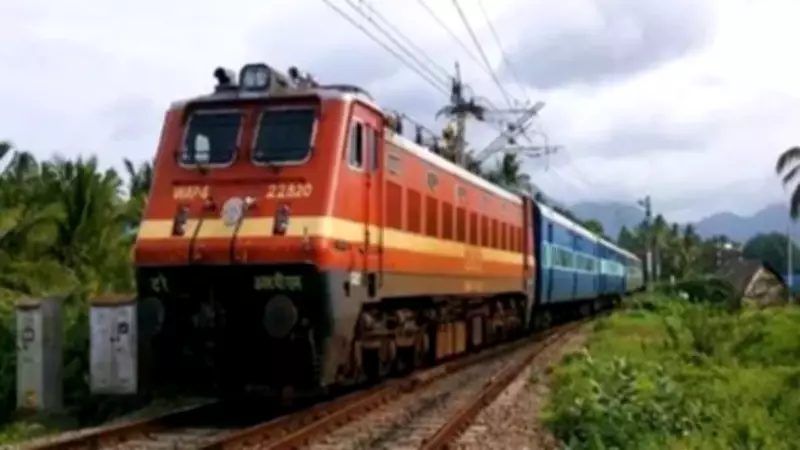
The Indian Railways is facing higher electricity costs after the Supreme Court ruled that the national transporter qualifies as a 'consumer' under the Electricity Act, 2003. As a result, it remains liable to pay cross-subsidy surcharge (CSS) and additional surcharge when purchasing electricity through open access for its own consumption. This decision is expected to impact the railways' operating ratio by increasing power procurement expenses.
Background of the Dispute
The dispute originated when Indian Railways sought to procure 100 MW of power via inter-state open access for its traction substations in Maharashtra. The Maharashtra State Electricity Transmission Company refused connectivity, prompting the railways to seek a declaration from the Central Electricity Regulatory Commission (CERC) that it is a 'Deemed Distribution Licensee' (DDL) exempt from surcharges. In 2015, CERC ruled in favor of the railways, but this was challenged by several State Electricity Regulatory Commissions (SERCs) and distribution companies (discoms).
Appellate Tribunal's Decision
The Appellate Tribunal for Electricity (APTEL), in its final judgment on February 12, 2024, set aside the CERC order, holding that the railways is a consumer and not a DDL. The railways then challenged this order in the Supreme Court.

Supreme Court's Ruling
A two-judge bench comprising Justices Dipankar Datta and Satish Chandra Sharma dismissed the railways' appeal. The court stated, 'It is clear, for the reasons elaborated hereinabove, that the appellant (Indian Railways) does not pass muster as a deemed distribution licensee under the Act, and it can in no circumstances escape the liability from payment of cross-subsidy surcharge and additional surcharge as a consumer of electricity through open access.'
The court rejected the railways' argument that it should not be treated as a conventional consumer because it distributes electricity across its vast operational network. Instead, the court clarified that the railways purchases electricity through open access 'exclusively for self-consumption' and therefore falls within the definition of a consumer under the Electricity Act, 2003.
Directions to State Discoms
The Supreme Court directed state electricity distribution companies to calculate and issue a detailed statement of outstanding CSS and additional surcharge payable by the railways. The calculation must clearly specify the amount based on the area of supply and the period during which open access was used. The court added, 'The appellant shall be afforded a reasonable opportunity to respond to the said calculations, and be granted time.'
This ruling is likely to increase the financial burden on Indian Railways, which is already grappling with operational costs. The decision underscores the legal classification of large entities as consumers when they purchase power for self-use, even if they distribute it internally.