SEBI Announces Return of Open Market Buyback Route
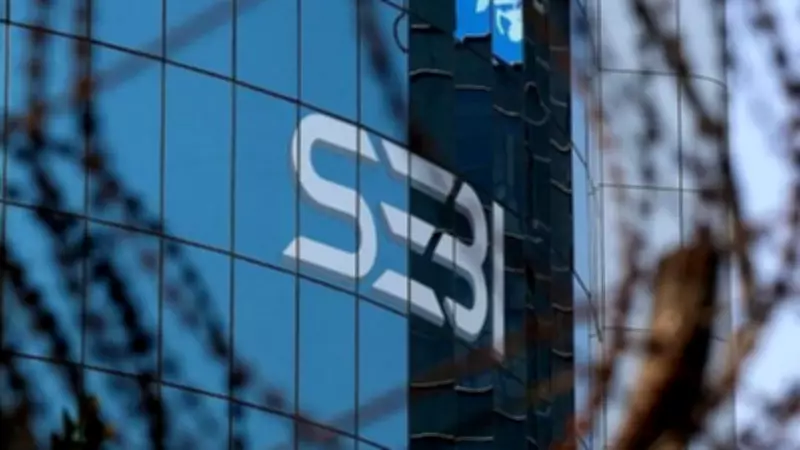
The Securities and Exchange Board of India (SEBI) has announced the reintroduction of the open market share buyback mechanism through stock exchanges, effective from August 1. This move is designed to enhance flexibility and execution efficiency for listed companies, potentially making buybacks a more attractive capital allocation tool.
Key Details of the New Framework
Under the revised framework, companies can repurchase their own shares directly from the open market via stock exchange mechanisms, as opposed to the tender offer route which was previously the only option. The regulator aims to streamline the process, reducing the time and cost associated with buybacks.
According to SEBI, the open market route allows companies to buy back shares over a period, providing them with greater control over the timing and volume of repurchases. This can help in managing capital structure more efficiently and signaling confidence to the market.

Impact on Listed Companies and Investors
The reintroduction is expected to benefit companies seeking to return surplus cash to shareholders, improve earnings per share, and support stock prices. Investors may see more frequent buyback announcements, potentially boosting market sentiment. However, SEBI has also put in place safeguards to prevent market manipulation, including restrictions on the volume and timing of purchases.
“The open market buyback route provides companies with a flexible tool to optimize their capital structure. We believe this will lead to more efficient capital allocation and better alignment with shareholder interests,” said a SEBI official.
Historical Context and Previous Changes
SEBI had previously restricted the open market buyback route due to concerns about price manipulation and lack of transparency. The new framework incorporates lessons from past experiences, with enhanced disclosure requirements and real-time reporting of buyback transactions to ensure market integrity.
Companies opting for the open market route must comply with specific conditions, including a minimum buyback size and a maximum period for completion. The buyback can be executed through a separate window on the stock exchange, with trades settled like regular market transactions.
Market Reaction and Future Outlook
Market participants have welcomed the move, expecting it to increase buyback activity. Analysts note that the flexibility of the open market route could encourage more companies to use buybacks as a regular capital management tool. The decision aligns with global practices where open market buybacks are common.
SEBI’s decision is part of broader efforts to simplify regulations and improve the ease of doing business for listed entities. The regulator continues to consult with stakeholders and may refine the framework based on market feedback.