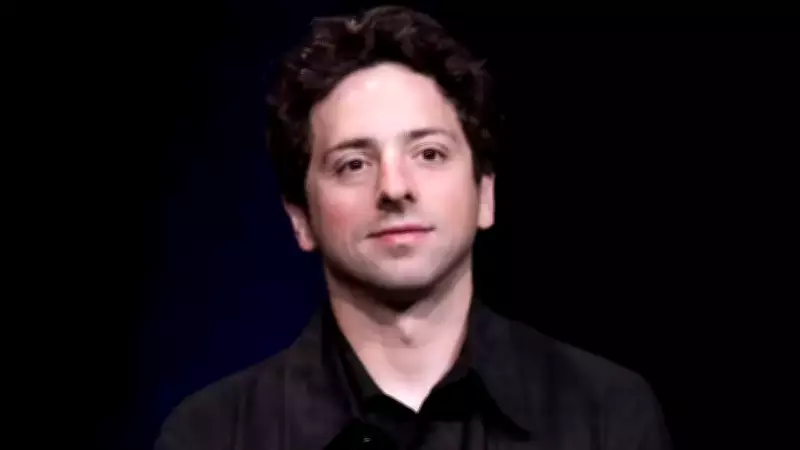
In a significant philanthropic move, Google co-founder Sergey Brin has made his largest single public donation to date, contributing $20 million to address California's pressing housing affordability emergency. This substantial contribution marks a notable escalation in Brin's charitable activities, which have seen remarkable growth throughout 2025.
Building a Better California Coalition
According to regulatory filings cited by The New York Times, Brin's $20 million donation has been directed to a newly formed coalition titled "Building a Better California." This initiative represents what the report describes as "Brin's largest and most visible political move ever," positioning him as the anchor donor within a comprehensive $35 million launch package.
Silicon Valley's Collective Response
The funding initiative has attracted substantial support from other prominent technology leaders, creating a powerful coalition of Silicon Valley philanthropists. Notable contributions include:

- Eric Schmidt, former Google CEO, has donated $2 million
- Michael Moritz, venture capitalist, contributed $2 million
- Max Levchin, PayPal CEO, provided $1 million
Additional supporters include Patrick Collison of Stripe, Tony Xu from DoorDash, and John Doerr of Kleiner Perkins, demonstrating broad industry engagement with California's housing challenges.
Timing Amid Wealth Tax Discussions
This philanthropic surge arrives at a critical juncture as California's billionaires prepare for a proposed ballot initiative that would implement a 1% wealth tax on the state's ultra-wealthy residents. The timing is particularly noteworthy given recent developments in the wealth tax debate.
Just recently, billionaire investor Peter Thiel allocated $3 million to a California business group actively opposing the proposed billionaire wealth tax, highlighting the polarized perspectives within the state's wealthy elite regarding taxation and social responsibility.
Brin's Expanding Philanthropic Portfolio
This $20 million donation represents just one component of Brin's increasingly active philanthropic agenda. Last year, the Google co-founder transferred approximately $1.1 billion worth of shares to Catalyst4, a nonprofit organization he established in 2021 with a dual focus on Central Nervous System diseases and climate change solutions.
Record-Breaking Charitable Year
2025 has emerged as Brin's most prolific year for charitable giving, with several major contributions demonstrating his commitment to diverse causes:
- A $45 million distribution to the Michael J. Fox Foundation for Parkinson's disease research
- A $90 million allocation to his own family foundation
- A previous $700 million donation made in May 2025
This pattern of substantial giving reflects a strategic approach to philanthropy that addresses both immediate social needs and long-term global challenges.
Financial Foundation for Philanthropy
Brin's capacity for such significant donations has been substantially enhanced by Alphabet's remarkable financial performance throughout 2025. The company's dominance in the artificial intelligence sector has propelled its stock to record highs, directly impacting Brin's personal wealth.
Maintaining a 6% stake in the technology giant, Brin has witnessed his personal fortune increase by an astonishing $97.3 billion during 2025 alone. This extraordinary wealth accumulation has provided the financial foundation for his unprecedented philanthropic activities, creating a virtuous cycle where technological success enables substantial social investment.
The convergence of Silicon Valley wealth, social responsibility, and political engagement through initiatives like "Building a Better California" represents a significant development in how technology leaders are addressing societal challenges. As California grapples with housing affordability and wealth distribution questions, these substantial philanthropic investments may signal a new era of corporate and individual responsibility among the state's technology elite.