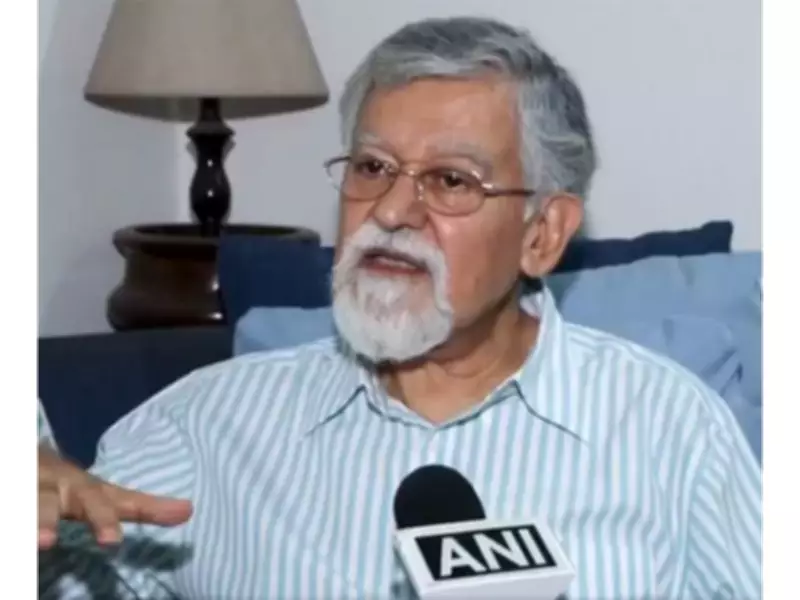
Former NITI Aayog member Arvind Virmani has outlined a comprehensive path to achieve broad-based economic growth in India, emphasizing the need to focus on job skills and public health reforms. Speaking at a recent event, Virmani stressed that India's growth trajectory must be inclusive, addressing the gaps in employment and healthcare to ensure sustainable development.
Key Recommendations for Broad-Based Growth
Virmani highlighted several critical areas that require immediate attention. He argued that skill development is paramount to bridging the gap between education and employment. According to him, the current educational system often fails to equip students with the practical skills demanded by the modern workforce. Therefore, a revamp of vocational training and a stronger linkage between industry and academia are essential.
Public Health Reforms
Another major pillar of Virmani's vision is public health reform. He pointed out that a healthy population is a prerequisite for a productive economy. He called for increased government spending on primary healthcare, better disease surveillance, and a more robust public health infrastructure. Virmani also advocated for a shift towards preventive healthcare to reduce the burden on the curative system.

Job Creation and Skill Development
On job creation, Virmani suggested that India should focus on labor-intensive sectors such as manufacturing, construction, and tourism. He also emphasized the role of small and medium enterprises (SMEs) in generating employment. To support this, he recommended simplifying regulations and providing easier access to credit for SMEs.
Economic Growth and Inclusivity
Virmani's approach is rooted in the belief that growth must be broad-based and inclusive. He argued that while India has seen significant economic expansion, the benefits have not reached all sections of society. To address this, he proposed targeted interventions for marginalized communities, including better access to education, healthcare, and financial services.
Role of Government and Private Sector
He also underscored the importance of collaboration between the government and the private sector. Public-private partnerships (PPPs) could play a crucial role in upgrading infrastructure and delivering public services more efficiently. Virmani cautioned against over-reliance on government spending and stressed the need for fiscal discipline.
Conclusion
In conclusion, Arvind Virmani's roadmap for broad-based growth is a call to action for policymakers, businesses, and civil society. By prioritizing job skills and public health reforms, India can build a more resilient and inclusive economy. His insights serve as a timely reminder that sustainable growth requires a holistic approach, addressing both economic and social determinants.