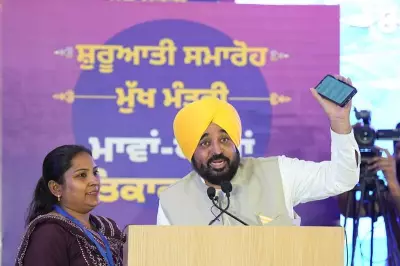
Women Leaders Spearhead Innovation and Change on International Women's Day 2026
International Women's Day 2026 marks a significant milestone as women leaders worldwide are increasingly driving transformative change and innovation across various sectors. This annual observance, celebrated on March 8, has evolved into a powerful platform to recognize and amplify the contributions of women in leadership roles, from corporate boardrooms to grassroots initiatives.
Global Impact of Women in Business and Technology
In the business realm, women leaders are making substantial strides, particularly in technology and entrepreneurship. Reports indicate a notable rise in female-led startups, with women founders securing increased venture capital funding compared to previous years. This trend is not only reshaping industries but also fostering more inclusive economic growth. For instance, in sectors like fintech and healthtech, women are at the forefront of developing solutions that address diverse societal needs, from financial inclusion to accessible healthcare.
Moreover, corporate leadership is witnessing a gradual but steady increase in gender diversity. Many multinational companies have set ambitious targets to achieve gender parity in executive positions by 2030, with 2026 serving as a critical checkpoint. Women CEOs and board members are championing policies that promote work-life balance, equal pay, and mentorship programs, thereby creating more supportive environments for future generations of female professionals.

Social Change and Advocacy Efforts
Beyond the corporate world, women leaders are driving significant social change through advocacy and community engagement. On International Women's Day 2026, numerous events and campaigns are highlighting issues such as gender-based violence, educational disparities, and climate justice. Women activists and policymakers are collaborating on global initiatives to advance women's rights, with a focus on marginalized communities in developing regions.
For example, in areas affected by conflict or economic hardship, women-led organizations are providing essential services and advocating for peacebuilding efforts. Their innovative approaches often involve leveraging technology, such as mobile apps for reporting harassment or digital platforms for skill development, demonstrating how leadership can blend tradition with modernity to effect real-world impact.
Challenges and Future Prospects
Despite these advancements, challenges persist. Gender gaps in leadership roles, particularly in STEM fields and political arenas, remain a concern. Data shows that while progress has been made, women still hold a minority of top positions in many industries. On International Women's Day 2026, discussions are emphasizing the need for continued efforts to break down barriers, including unconscious bias and structural inequalities.
Looking ahead, the momentum generated by women leaders in 2026 is expected to inspire further innovation and change. Initiatives like mentorship networks, funding opportunities for women entrepreneurs, and policy reforms are gaining traction globally. As more women ascend to leadership positions, their diverse perspectives are likely to drive more sustainable and equitable solutions to global challenges, from economic recovery to environmental sustainability.
In summary, International Women's Day 2026 serves as a testament to the growing influence of women leaders in shaping a more innovative and inclusive world. Their contributions across business, technology, and social sectors underscore the importance of continued support and recognition for gender equality in leadership.