

Bengaluru Laborers Forced to Use Firewood as LPG Shortage Persists
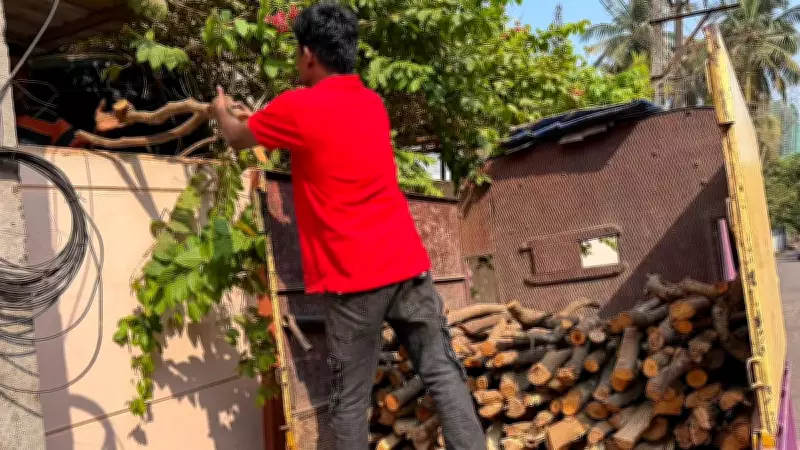
In the bustling city of Bengaluru, a growing number of daily wage laborers are turning to traditional firewood for cooking, as they find themselves largely insulated from the ongoing LPG shortage that has affected many households. This shift highlights the stark disparities in energy access within urban areas, where vulnerable communities adapt to survive amidst supply chain disruptions.
Daily Wagers Share Their Struggles
Yadav, a daily wager, explained the practical challenges faced by his community. 'We collect scrap wood from construction sites and sometimes even use leftover packing materials to cook our meals,' he said. 'It takes more effort and time compared to using LPG, but at least we can ensure our families have food on the table. For us, this is a necessity, not a choice.' His sentiments echo those of many laborers who rely on informal methods to meet basic needs.
The reliance on firewood and other alternative fuels underscores a broader issue of energy insecurity among low-income groups in Bengaluru. While middle-class and affluent residents grapple with LPG cylinder shortages and price hikes, these laborers have long depended on cost-effective, albeit labor-intensive, solutions. This situation has been exacerbated by recent supply constraints, pushing more people towards such makeshift arrangements.

Impact on Health and Environment
Using firewood and packing materials for cooking poses significant health and environmental risks. The smoke from burning these materials can lead to respiratory problems, especially in poorly ventilated living spaces common among laborers. Additionally, this practice contributes to local air pollution, adding to Bengaluru's existing environmental challenges. Despite these drawbacks, the immediate need for affordable cooking options outweighs long-term concerns for many families.
Experts point out that this trend reflects systemic gaps in public policy regarding energy access for marginalized communities. There is an urgent need for targeted interventions, such as subsidized LPG schemes or clean energy alternatives, to address the root causes of this dependency. Without such measures, laborers may continue to face health hazards and economic burdens.
Broader Context of LPG Shortages
The LPG shortage in Bengaluru is part of a larger national issue, driven by factors like supply chain disruptions, increased demand, and logistical challenges. However, the impact varies across socioeconomic groups. While some households experience inconvenience, for daily wage laborers, it means resorting to methods that are both physically demanding and potentially harmful.
Community leaders and activists are calling for increased awareness and support. 'We need to recognize that energy poverty is a real problem in urban centers like Bengaluru,' said a local advocate. 'Providing sustainable solutions, such as access to clean cooking fuels, should be a priority to improve living standards and protect public health.'
As the situation unfolds, the resilience of Bengaluru's laborers serves as a reminder of the inequalities in modern urban life. Their ability to adapt with firewood highlights both their resourcefulness and the pressing need for inclusive energy policies that ensure no one is left behind in the face of shortages.






