

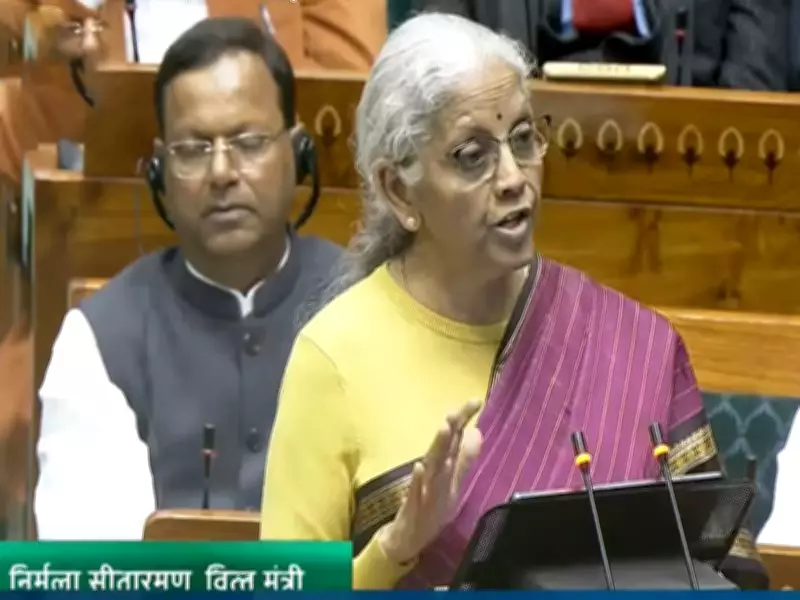
Union Budget 2026-27 Unveils Major Capital Expenditure Push
In a move aimed at accelerating India's economic momentum, Finance Minister Nirmala Sitharaman has presented the Union Budget for the fiscal year 2026-27, with a sharp focus on infrastructure development. The budget outlines a substantial increase in capital expenditure, signaling the government's commitment to fostering long-term growth and job creation.
Key Allocation: Capex Raised by Approximately 9%
The highlight of the budget announcement is the allocation of Rs 12.2 lakh crore for capital expenditure in FY27. This represents an increase of about 9% from the previous fiscal year's outlay, underscoring the administration's strategy to invest in critical sectors that drive productivity and competitiveness.
Capital expenditure, often referred to as capex, is crucial for building and upgrading physical assets such as roads, railways, ports, and digital infrastructure. This enhanced funding is expected to:

- Boost construction and manufacturing activities across the country.
- Create employment opportunities in both urban and rural areas.
- Improve connectivity and logistics, thereby reducing costs for businesses.
- Attract private investment through public-private partnerships.
Strategic Implications for the Economy
By prioritizing capital expenditure, the government aims to address infrastructure gaps that have historically hindered India's growth potential. The increased outlay aligns with broader economic goals, including:
- Sustaining High Growth Rates: Infrastructure spending is a key driver of GDP growth, and this boost is likely to support India's position as one of the world's fastest-growing major economies.
- Enhancing Competitiveness: Improved infrastructure can lower operational costs for industries, making Indian products more competitive in global markets.
- Promoting Inclusive Development: Investments in rural infrastructure and connectivity are expected to benefit underserved regions, promoting balanced regional growth.
Finance Minister Sitharaman emphasized that this capex increase is part of a multi-year strategy to build a robust foundation for future prosperity. The budget also includes measures to ensure efficient implementation of projects, with a focus on timely completion and quality standards.
Context and Future Outlook
The Union Budget 2026-27 comes at a time when the global economy faces uncertainties, making domestic investment a critical lever for stability. The raised capital expenditure is seen as a proactive step to insulate India from external shocks while capitalizing on internal strengths.
Analysts predict that this move could have a multiplier effect on the economy, stimulating demand in related sectors such as steel, cement, and engineering. However, challenges such as inflation and fiscal discipline will need to be managed carefully to ensure sustainable growth.
In summary, the Union Budget 2026-27's focus on capital expenditure reflects a forward-looking approach to economic management. With Rs 12.2 lakh crore allocated, the government is betting big on infrastructure to drive India's next phase of development, aiming to create a more resilient and dynamic economy for the years ahead.






