

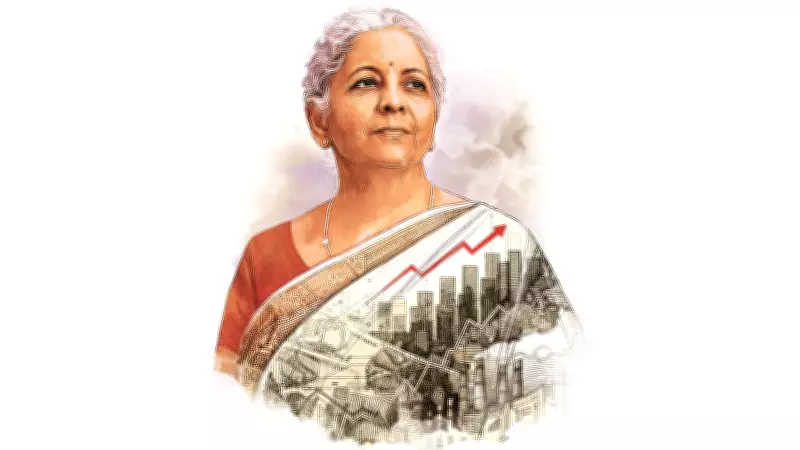
Finance Minister Nirmala Sitharaman Elaborates on Budget 2026-27 Key Measures
Finance Minister Nirmala Sitharaman, accompanied by six secretaries from the Ministry of Finance, held a comprehensive press conference following the presentation of the Union Budget for 2026-27. The briefing provided in-depth insights into several pivotal announcements aimed at shaping India's economic trajectory, with a focus on financial market regulation, industrial growth, and fiscal discipline.
Securities Transaction Tax Hike to Curb Speculative Trading
The government has decided to increase the Securities Transaction Tax (STT) on the trading of Future and Options (F&O) contracts. This move is strategically designed to discourage speculative tendencies in the retail trading segment. Officials highlighted that the volume of transactions in F&O, when compared to the GDP or the underlying securities market, indicates a predominance of speculation. This often results in significant losses for small and unsophisticated investors. The primary objective of raising the STT is to protect these investors and promote a more stable and sustainable trading environment.
Customs Duty Cuts to Boost Local Manufacturing and Exports
In a significant push for Atmanirbhar Bharat, the Budget proposes cuts in customs duties on various items. The rationale behind these reductions is multifaceted:

- To lower the cost of importing essential components and raw materials.
- To enhance domestic manufacturing and value addition within India.
- To support exporters who import these items to manufacture goods for international markets.
Addressing concerns about potential dumping, officials clarified that these cuts are carefully calibrated to spur production without compromising domestic industry interests.
Fiscal Deficit Target and Gross Market Borrowing
The government has set a fiscal deficit target of 4.3% for the next financial year, down from 4.4% in the revised estimates. This gradual reduction reflects a commitment to prudent fiscal management. Officials emphasized that drastic changes could adversely affect various sectors, and a measured approach ensures stability and confidence in the economy.
Regarding gross market borrowing, the net borrowing is projected at approximately Rs 11.73 lakh crore, consistent with recent years. The higher gross borrowing figure accounts for around Rs 5.5 lakh crore in loan repayments due this year, with a clear plan in place for effective management.
Taxation Relief on Buyback of Shares
Changes in the taxation of buyback proceeds are framed as a relief measure. Under the new provisions, minority shareholders will be taxed at a capital gains rate of 12.5% for long-term gains, while promoters will bear an additional buyback tax. This adjustment aims to prevent the misuse of tax arbitrage by promoters, ensuring a fairer tax structure.
Defence Budget Increase and Global Uncertainties
The Budget allocates a 15% increase in defence expenditure, a decision influenced by ongoing global uncertainties. Officials noted that these uncertainties impact multiple areas, and the government remains vigilant across all sectors, not just defence, in its policy formulations.
Asset Monetisation and Banking Sector Reforms
The government plans to boost miscellaneous capital receipts to Rs 80,000 crore from revised estimates of Rs 37,000 crore, primarily through a robust asset monetisation plan. The National Monetisation Pipeline, announced previously with a target of Rs 10 lakh crore, is being actively prepared, with expected dividends this year.
Additionally, a High-Level Committee on Banking for Viksit Bharat will examine the entire banking sector, including potential mergers of state-run banks to create larger, more efficient entities. The committee's recommendations will guide steps toward achieving developed nation status by 2047, addressing issues like network expansion and procedural impediments to deposits and credit.

Support for MSMEs Through TReDS Mandate
To ensure timely payments for Micro, Small, and Medium Enterprises (MSMEs), the Budget mandates that all discounted and non-discounted bills by Central Public Sector Enterprises (CPSEs) be settled on the Trade Settlement and Discounting System (TReDS) platform. This measure aims to guarantee that MSMEs receive payments within 45 days, with CPSEs leading the way for broader corporate adoption.
Overall, the Budget 2026-27 outlines a balanced approach, combining regulatory measures to safeguard investors, incentives to boost manufacturing, and strategic fiscal policies to sustain economic growth amidst global challenges.





