

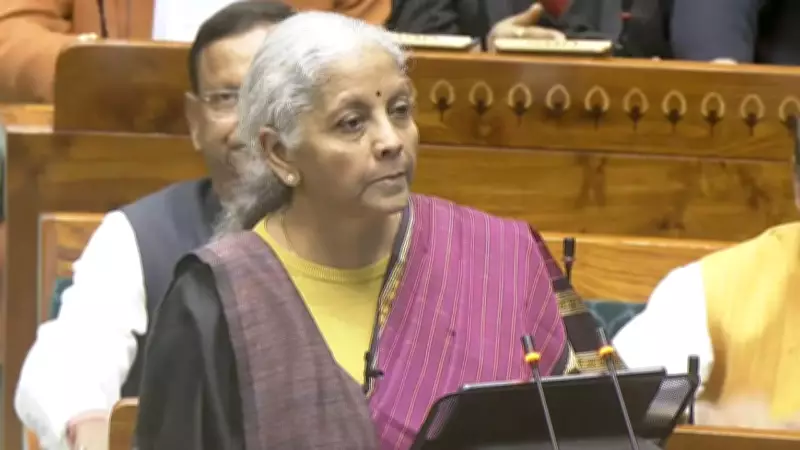
Finance Minister Nirmala Sitharaman Unveils Strategic Budget 2026 with Six Key Focus Areas
Union Finance Minister Nirmala Sitharaman, during her Budget 2026 address in Parliament, outlined six crucial intervention areas designed to sustain India's economic momentum while fortifying the nation's long-term resilience against global challenges. Presenting her ninth consecutive Union Budget in the Lok Sabha, Sitharaman framed these proposals as integral components of the broader vision to build a "Viksit Bharat" amid significant global trade pressures and ongoing domestic reform transitions.
Strategic Context and Global Challenges
The Budget 2026 comes at a pivotal moment following major structural shifts within the Indian economy, including the comprehensive rollout of Labour Codes and continuous reforms to the Goods and Services Tax (GST) framework. Additionally, India is navigating external economic headwinds, such as steep tariffs imposed by the United States on Indian goods, which have created a complex international trade environment. Against this backdrop, Sitharaman placed strong emphasis on enhancing manufacturing strength, accelerating infrastructure expansion, and ensuring economic security to safeguard national interests.
Six Key Intervention Areas for Economic Growth
The finance minister detailed a comprehensive strategy centered on targeted policy support that aims to benefit both sunrise sectors and traditional industries. This approach ensures that smaller businesses and emerging cities play a more substantial role in driving national growth. The six key intervention areas identified in Budget 2026 are:

- Scaling up manufacturing in several sectors to boost domestic production and reduce import dependency.
- Rejuvenating legacy industrial sectors through modernization and technological upgrades.
- Creating champion Micro, Small, and Medium Enterprises (MSMEs) by providing enhanced support and resources.
- Delivering a powerful push for infrastructure development to improve connectivity and logistics.
- Ensuring long-term security and stability in economic policies to attract investments.
- Developing city economic regions to promote balanced regional growth and urbanization.
Focus on Manufacturing and Infrastructure
Sitharaman highlighted that strengthening India's manufacturing capabilities is crucial for achieving self-reliance and competing globally. The budget proposals include incentives for scaling up production in key sectors, which is expected to generate employment and stimulate economic activity. Simultaneously, a significant emphasis on infrastructure expansion aims to address logistical bottlenecks and enhance the overall business environment, making India more attractive for both domestic and foreign investments.
Empowering MSMEs and Regional Development
The finance minister underscored the importance of MSMEs as the backbone of the Indian economy. By creating champion MSMEs, the government intends to foster innovation, increase competitiveness, and integrate these enterprises into global supply chains. Furthermore, the development of city economic regions is designed to decentralize economic growth, ensuring that urban centers beyond major metros contribute significantly to national prosperity. This holistic approach aims to build a resilient economy capable of withstanding global uncertainties while promoting inclusive and sustainable development across the country.






