

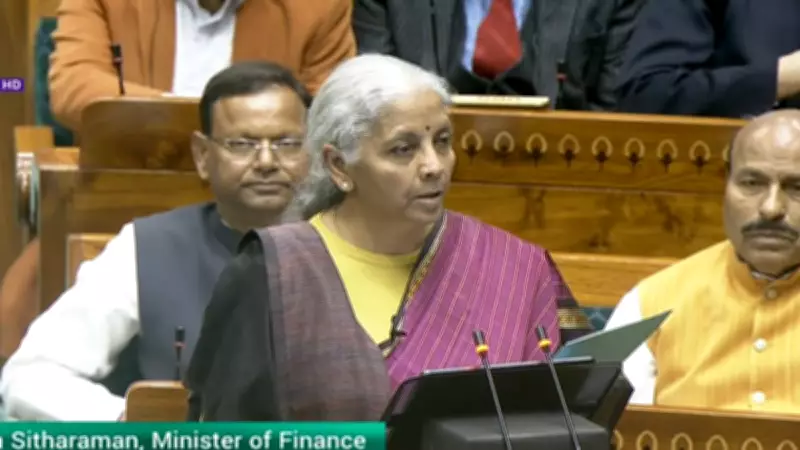
Finance Minister Nirmala Sitharaman unveiled the Union Budget for the fiscal year 2026, articulating a vision anchored in three fundamental kartavyas or duties that will steer India's economic trajectory. The budget presentation, delivered in Parliament, underscores the government's commitment to fostering robust growth, addressing the aspirations of all citizens, and ensuring inclusive development under the principle of Sabka Saath Sabka Vikas.
Core Kartavyas Driving Budget 2026
The budget framework is meticulously designed around three pivotal kartavyas, as highlighted by Finance Minister Sitharaman. These duties serve as the guiding pillars for policy formulation and resource allocation, aiming to propel India towards sustainable economic progress while leaving no one behind.
First Kartavya: Fostering Growth
The primary focus of Budget 2026 is on accelerating economic growth through strategic investments and reforms. The government plans to enhance infrastructure development, boost manufacturing sectors, and promote digital innovation to create a conducive environment for business expansion and job creation. This kartavya emphasizes the need for a resilient economy capable of withstanding global challenges and capitalizing on emerging opportunities.

Second Kartavya: Addressing Aspirations
Recognizing the diverse aspirations of India's populace, the budget aims to cater to the needs of various demographic groups, including youth, women, farmers, and marginalized communities. Initiatives are proposed to improve access to education, healthcare, and skill development, empowering individuals to achieve their personal and professional goals. This kartavya reflects a people-centric approach, ensuring that economic policies align with the evolving expectations of society.
Third Kartavya: Sabka Saath Sabka Vikas
Central to the budget is the principle of Sabka Saath Sabka Vikas, which translates to collective effort and inclusive growth. Finance Minister Sitharaman reiterated the government's dedication to reducing inequalities and fostering social cohesion. Measures include targeted welfare schemes, enhanced social security nets, and efforts to bridge urban-rural divides, ensuring that the benefits of development reach every corner of the nation.
Key Highlights and Implications
Budget 2026 introduces several key initiatives aligned with the three kartavyas. Notable areas of focus include:
- Infrastructure Boost: Increased allocations for roads, railways, and renewable energy projects to stimulate economic activity.
- Digital Empowerment: Expansion of digital infrastructure and support for tech startups to drive innovation and entrepreneurship.
- Social Welfare: Enhanced funding for healthcare, education, and housing schemes to improve quality of life.
- Agricultural Support: Initiatives to boost farm productivity and ensure fair prices for farmers, contributing to rural prosperity.
The budget is expected to have a positive impact on various sectors, fostering a balanced and inclusive economic environment. By prioritizing growth, aspirations, and inclusivity, the government aims to build a stronger and more equitable India.
Conclusion
Finance Minister Nirmala Sitharaman's Budget 2026, driven by the three kartavyas of growth, aspirations, and Sabka Saath Sabka Vikas, sets a comprehensive roadmap for India's future. With a focus on sustainable development and social justice, this budget seeks to harness the nation's potential while ensuring that progress benefits all citizens. As implementation unfolds, it will be crucial to monitor outcomes and adapt strategies to meet evolving economic and social needs.






