

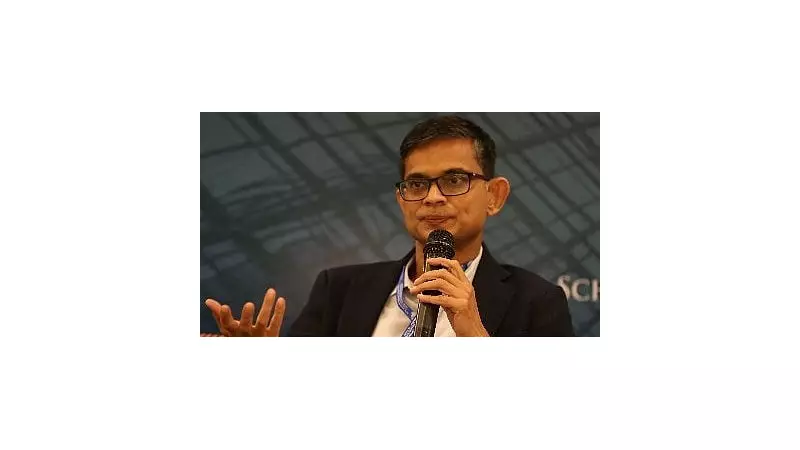
Union Budget 2026 Expectations: Economist Calls for Shift to Quality Growth and Economic Resilience
As India prepares for the Union Budget 2026, prominent economist Chatterjee has outlined critical expectations, urging a strategic pivot toward enhancing the quality of growth and fortifying the economy against global uncertainties. In a recent statement, Chatterjee emphasized that the upcoming budget must prioritize sustainable development over mere quantitative expansion, highlighting the need for robust economic insurance mechanisms.
Focus on Quality of Growth and Economic Insurance
Chatterjee stressed that the focus of Budget 2026 should shift decisively toward improving the quality of growth. This involves not just boosting GDP numbers but ensuring that economic progress is inclusive, environmentally sustainable, and resilient to external shocks. He argued that in an increasingly volatile global environment, India must implement policies that insulate its economy from unforeseen disruptions, such as geopolitical tensions or financial market fluctuations.
By emphasizing quality over quantity, the budget can address structural issues like income inequality, job creation in high-value sectors, and infrastructure development that supports long-term prosperity. Chatterjee pointed out that this approach is essential for building a stable economic foundation that can withstand global headwinds.

Policy Support for Patient Capital in Long-Term Projects
In addition to quality growth, Chatterjee highlighted the urgent need for policy support to channel patient capital into long-term projects. Patient capital refers to investments with longer time horizons, often directed toward infrastructure, renewable energy, and research and development initiatives that yield benefits over decades rather than years.
He argued that such investments are crucial for sustaining growth momentum, as they provide the necessary funding for transformative projects that drive innovation and economic diversification. By fostering an environment conducive to patient capital, Budget 2026 can help mitigate risks associated with short-term market volatility and ensure steady progress toward national development goals.
Chatterjee's recommendations include tax incentives for long-term investors, regulatory reforms to ease capital flows, and public-private partnerships that leverage both government and private sector resources. These measures, he believes, will not only boost economic resilience but also enhance India's competitiveness on the global stage.
Navigating Global Uncertainties Through Strategic Budgeting
The economist underscored the importance of Budget 2026 in navigating an uncertain global landscape. With challenges like climate change, trade wars, and technological disruptions looming, he called for a proactive budgetary framework that anticipates and addresses these issues head-on.
By integrating quality growth and patient capital strategies, India can build a more robust economy capable of adapting to changing circumstances. Chatterjee concluded that such an approach will be key to achieving sustainable development and ensuring that economic gains are widely shared across society.
As discussions around Union Budget 2026 intensify, Chatterjee's insights offer a roadmap for policymakers to craft a budget that not only spurs growth but also secures India's economic future against the backdrop of global unpredictability.






