

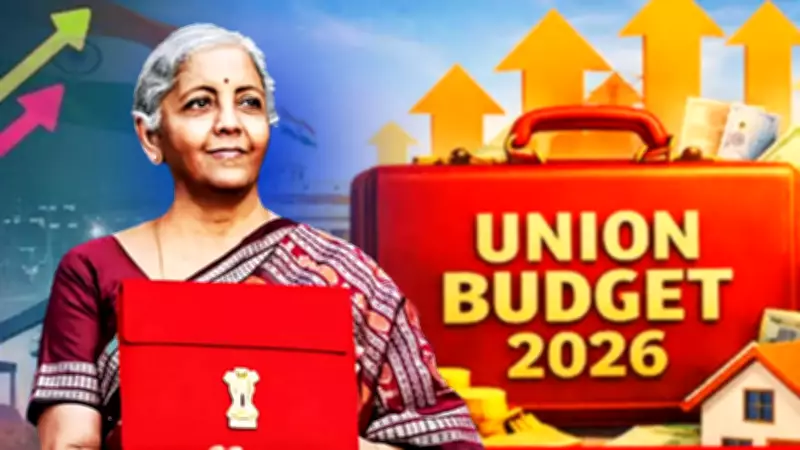
Budget 2026 Overview: Key Implications for Citizens and Businesses
The Union Budget for 2026, presented by the Indian government, introduces a strategic framework aimed at balancing economic relief for consumers with incentives for domestic industrial growth. This comprehensive fiscal plan addresses multiple sectors, signaling a continued focus on enhancing economic resilience and refining trade policies.
Consumer Benefits: Lower Prices on Essential Goods
One of the most significant aspects of Budget 2026 is the reduction in prices for several essential items, which is expected to ease the financial burden on everyday citizens. Key areas benefiting from this initiative include:
- Electric Vehicles (EVs): Prices are set to fall, making eco-friendly transportation more accessible and promoting sustainable mobility.
- Medicines: Critical drugs, including those for cancer and diabetes, will become more affordable, improving healthcare accessibility for millions.
- Sports Equipment: Reduced costs aim to encourage physical activity and support athletes at various levels.
- Made-in-India Smartphones and Tablets: Lower prices on domestically manufactured devices are intended to boost digital inclusion and support local tech industries.
These measures reflect a commitment to enhancing affordability and improving the quality of life for Indian citizens, particularly in vital areas like health, technology, and wellness.

Revenue Generation: Higher Duties on Luxury Imports
To offset the revenue implications of consumer relief measures, Budget 2026 imposes increased duties on imported luxury products. This move is designed to regulate high-end consumption while encouraging domestic production. Affected items include:
- Watches: Imported timepieces will face higher tariffs, potentially making locally made alternatives more competitive.
- Alcohol: Duties on imported alcoholic beverages are set to rise, aligning with public health and revenue goals.
- Coffee Machines: Higher costs on these appliances may spur innovation in India's home appliance sector.
- Film Equipment: Increased duties on professional gear aim to support the growth of domestic film and media industries.
By taxing luxury imports, the government seeks to reduce reliance on foreign goods, promote Make in India initiatives, and generate additional revenue to fund public services and infrastructure projects.
Export Incentives: Boost for Leather Industry
In a targeted effort to enhance export competitiveness, Budget 2026 provides duty-free import benefits for leather exporters. This policy is expected to:
- Lower production costs for leather goods manufacturers.
- Increase India's share in the global leather market.
- Create employment opportunities in related sectors.
This incentive underscores the government's focus on strengthening key export-oriented industries, contributing to overall economic growth and trade balance.
Expert Analysis: A Dual Approach to Economic Strategy
Economic experts highlight that Budget 2026 embodies a dual approach, simultaneously supporting affordability for citizens and fostering industrial expansion. Key takeaways from their analysis include:
- Balanced Fiscal Policy: The budget carefully weighs consumer relief against revenue needs, avoiding excessive strain on public finances.
- Strategic Trade Focus: By incentivizing domestic production and regulating luxury imports, India aims to build a more self-reliant economy.
- Long-term Resilience: These measures are seen as steps toward enhancing India's economic stability and adaptability in a volatile global market.
Overall, Budget 2026 is viewed as a forward-looking document that aligns with India's broader goals of sustainable development and strategic autonomy, while addressing immediate concerns of affordability and industrial growth.






