

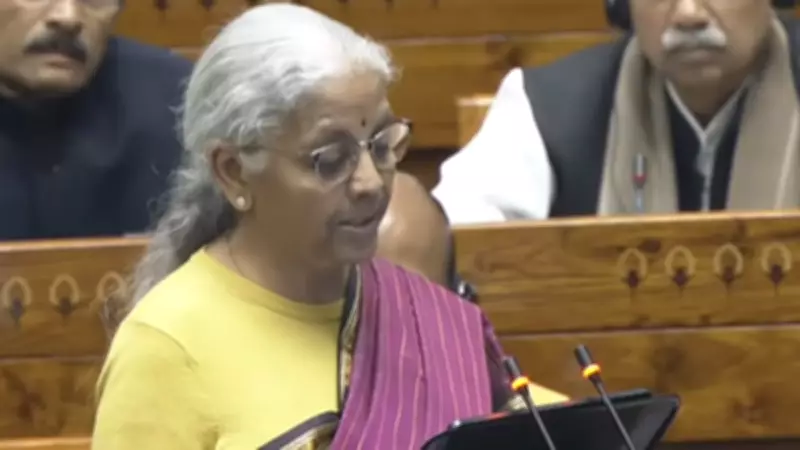
Union Budget 2026 Unveils Major Price Adjustments for Goods and Services
The Union Budget for the fiscal year 2026-27, presented by the Finance Minister, has brought forth a series of pivotal changes in the pricing structure of various goods and services across the nation. This comprehensive financial plan aims to balance economic growth with social welfare, impacting the daily lives of millions of Indians. In this detailed analysis, we explore the full spectrum of items that are set to become more expensive and those that will see a reduction in cost, providing a clear picture of the budget's implications for consumers and businesses alike.
Items That May Become Costlier in Union Budget 2026
Several categories of products are expected to witness price increases as a result of new tax impositions and policy adjustments outlined in the budget. These changes are designed to generate additional revenue for the government while discouraging the consumption of certain non-essential or harmful items.
- Tobacco Products: Cigarettes, bidis, and other tobacco items are likely to see a significant hike in prices due to increased excise duties and sin taxes aimed at promoting public health.
- Luxury Vehicles: High-end cars and SUVs, particularly those with larger engine capacities, may become more expensive as the budget proposes higher customs duties and additional cesses on luxury imports.
- Imported Electronics: Gadgets such as smartphones, laptops, and televisions that are imported from abroad could face steeper costs due to revised tariff structures intended to boost domestic manufacturing under the Make in India initiative.
- Aerated Beverages: Soft drinks and other carbonated beverages might see price rises as the government considers implementing higher taxes on sugary drinks to combat lifestyle diseases.
- Gold and Jewelry: Precious metals like gold and diamond jewelry may become costlier with potential increases in import duties, affecting both consumers and the jewelry industry.
Items That May Become Cheaper in Union Budget 2026
On the brighter side, the budget also includes measures to make certain essential and eco-friendly products more affordable, supporting household budgets and sustainable practices. These reductions are part of the government's strategy to ease the financial burden on common citizens and encourage green alternatives.

- Electric Vehicles (EVs): To accelerate the adoption of clean energy, the budget proposes tax incentives and subsidies for electric cars, scooters, and bicycles, potentially lowering their prices significantly.
- Essential Medicines: Key pharmaceuticals and life-saving drugs are expected to become cheaper through reduced GST rates and increased funding for healthcare schemes, making healthcare more accessible.
- Renewable Energy Equipment: Solar panels, wind turbines, and related components may see price drops due to tax exemptions and grants aimed at promoting renewable energy sources across the country.
- Agricultural Inputs: Fertilizers, seeds, and farming tools could become more affordable with enhanced subsidies and support for the agricultural sector, benefiting farmers and rural economies.
- Education and Skill Development: Books, online courses, and vocational training materials might cost less as the budget emphasizes education reforms and digital learning initiatives.
Detailed Analysis of Budget Impact on Various Sectors
The Union Budget 2026's price changes are not isolated adjustments but are intricately linked to broader economic goals. For instance, the increase in taxes on luxury items is expected to contribute to revenue collection without heavily impacting the average consumer, while the reductions in essential goods aim to curb inflation and support low-income households. The focus on electric vehicles and renewable energy aligns with India's commitments to climate action and energy independence, potentially creating new job opportunities in green industries.

Moreover, the budget's implications extend beyond immediate price tags. The cheaper availability of medicines and educational resources could lead to long-term benefits in public health and literacy rates. Conversely, the higher costs for tobacco and aerated beverages might encourage healthier lifestyle choices among the population. Businesses, especially in sectors like automotive and electronics, will need to adapt their strategies to these changes, possibly shifting towards more sustainable and locally produced offerings.
In summary, the Union Budget 2026 presents a balanced approach with targeted price adjustments that reflect the government's priorities in health, environment, and economic growth. Consumers are advised to stay informed about these changes to manage their budgets effectively, while industries should prepare for the evolving market dynamics. As the fiscal year progresses, the real-world impact of these measures will become clearer, shaping India's economic landscape in the years to come.





