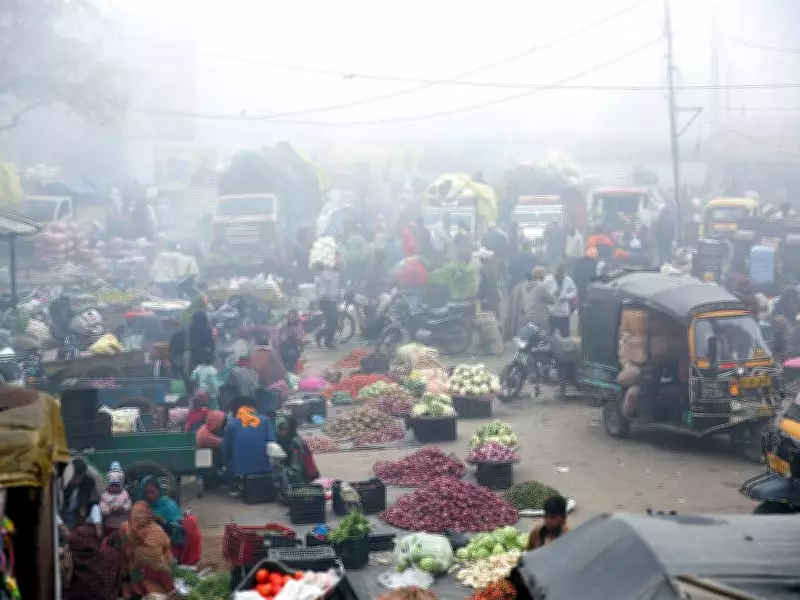
Food inflation in India is projected to average around 6 per cent in the 2027 fiscal year (FY27), while headline Consumer Price Index (CPI) inflation is expected to settle at 5 per cent, according to a report by CareEdge Ratings. The projections are driven by a severe rainfall deficit at the start of the monsoon season, which poses a direct threat to agricultural output and domestic food prices.
Monsoon Deficit and Agricultural Impact
The report noted that monsoon rainfall between June 1 and June 29, 2026, recorded a deficit of 41.5 per cent from the long-period average. This sharp decline raises immediate concerns over food production and overall inflation. Domestic edible oil inflation already stood high at 9.5 per cent in May 2026.
"With a poor monsoon, we project food inflation to average around 6% in FY27 and CPI inflation at 5%," the report stated.

External Trade Dynamics
Beyond the agricultural sector, the report highlighted shifts in India's external trade. While the oil trade deficit remained close to levels seen last year, the non-oil trade deficit widened in the fiscal year so far. However, steady performance in services exports offered a crucial buffer, generating a higher trade surplus compared to the previous year's levels.
"We expect the support from services exports to help soften the impact of the higher merchandise trade deficit in FY27," the report noted.
Foreign Direct Investment and Remittances
The report detailed a positive turn in foreign direct investment. Gross FDI inflows in April 2026 increased by 66 per cent year-on-year, accompanied by a decline in profit repatriation. Consequently, net FDI inflows reached USD 6.6 billion in April 2026, up significantly from USD 1.6 billion in April 2025.
Remittances also showed strong momentum. Transfers grew by 70 per cent year-on-year in April 2026, following a 31 per cent expansion in the final quarter of the 2026 fiscal year. This growth persisted despite ongoing conflict in West Asia, which is a primary source of these funds.
Balance of Payments and Bond Markets
On the macro-financial front, the current account balance recorded a surplus of USD 4.7 billion in April 2026. However, heavy capital outflows pulled the overall Balance of Payments into a deficit of USD 6.6 billion. Meanwhile, easing geopolitical tensions outside the region helped soothe domestic bond markets.
"With the announcement of the US-Iran peace deal, fears of elevated fiscal pressures have come down," the report stated. "As a result, the G-sec yield curve has shifted down meaningfully across tenors as compared to a month ago."
CareEdge Ratings added that it expects government bond yields to find a steady range through the current fiscal year. "We expect G-sec yields to average 6.8 - 6.9% in FY27," the report stated.
Rupee Outlook and Policy Support
Policy measures by the Reserve Bank of India and the government are expected to support the domestic currency. Interventions regarding FCNR(B) deposits, external commercial borrowings by public sector undertakings, the expansion of the Fully Accessible Route for government securities, and targeted tax exemptions are expected to draw foreign capital and limit rupee depreciation.
"We expect the rupee to average 92-93/USD over FY27, assuming the price of crude oil averages USD 90/bbl," the report stated.