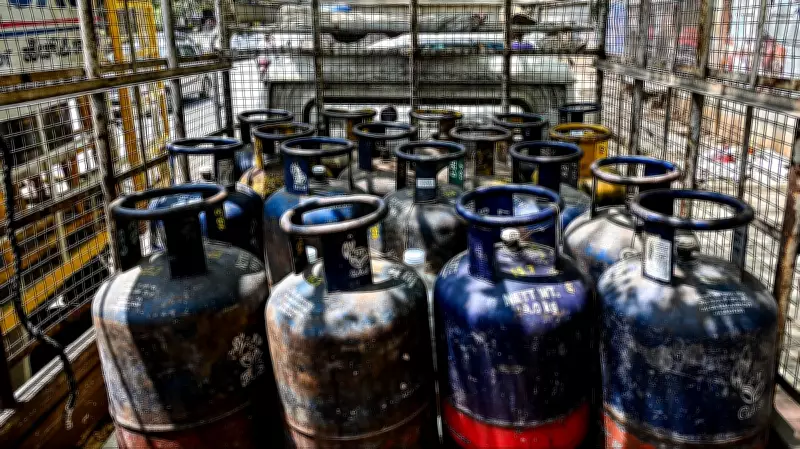
Commercial LPG Prices Surge by Rs 195.5 Amid Global Oil Market Volatility
In a significant development impacting businesses across India, the price of commercial liquefied petroleum gas (LPG) cylinders has been increased by Rs 195.5. This adjustment comes as global oil rates continue to climb, driven by geopolitical tensions and market uncertainties.
Second Consecutive Hike Since Conflict Erupted
This marks the second price hike for commercial LPG within a single month, following the onset of conflict in West Asia on February 28. The previous increase occurred on March 1, when rates were raised by Rs 114.50 per standard 19-kilogram cylinder. The consecutive adjustments highlight the direct impact of international events on domestic energy costs in India.
The ongoing conflict has disrupted global oil supplies, leading to a sharp rise in benchmark crude prices. This, in turn, has forced Indian oil marketing companies to pass on the increased costs to consumers, particularly affecting the commercial sector that relies heavily on LPG for operations.

Detailed Breakdown of the Price Increase
The latest hike of Rs 195.5 per cylinder represents a substantial burden for restaurants, hotels, catering services, and other businesses that depend on commercial LPG. When combined with the earlier increase of Rs 114.50, the total rise in commercial LPG prices over the past month amounts to approximately Rs 310 per cylinder.
- First Hike: March 1 – Increase of Rs 114.50 per 19-kg cylinder.
- Second Hike: April 1 – Additional increase of Rs 195.5 per cylinder.
- Total Impact: Cumulative rise of around Rs 310 in one month.
This escalation is expected to inflate operational costs for numerous industries, potentially leading to higher prices for end consumers as businesses adjust to the increased expense.
Global Oil Dynamics and Domestic Implications
The surge in commercial LPG prices is directly linked to the volatility in international oil markets. Since the conflict began, oil prices have witnessed significant fluctuations, with a general upward trend due to supply concerns and geopolitical risks. India, being a major importer of crude oil and LPG, is particularly vulnerable to such global price movements.
Experts warn that if the conflict persists, further adjustments in LPG and other fuel prices could be imminent. The situation underscores the interconnectedness of global events and local economies, with businesses in India now grappling with the tangible effects of distant geopolitical strife.
As of April 1, 2026, the new pricing structure is in effect, and stakeholders across the commercial sector are advised to account for these changes in their financial planning. The government and oil companies continue to monitor the situation closely, but with global oil rates remaining elevated, relief for consumers may not be immediate.