

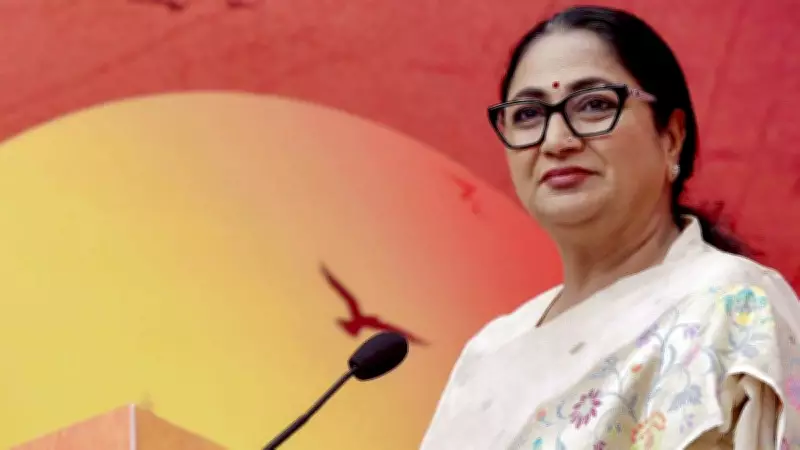
Delhi Budget 2026: CM Rekha Gupta Presents Comprehensive Fiscal Plan with Focus on Sustainability
In a landmark session at the Delhi Legislative Assembly, Chief Minister Rekha Gupta unveiled the state budget for the fiscal year 2026, outlining a forward-looking strategy aimed at tackling pressing urban challenges while fostering economic resilience. The budget presentation, which was closely watched by policymakers and citizens alike, highlighted a dual focus on environmental sustainability and infrastructural development, setting a new benchmark for urban governance in the capital.
Key Announcements and Economic Survey Insights
The budget speech was preceded by the release of the Economic Survey, which provided a detailed analysis of Delhi's economic performance over the past year. According to the survey, the state has witnessed a steady growth trajectory, with sectors such as services and manufacturing showing robust expansion. However, it also flagged concerns regarding air pollution and traffic congestion, which have been persistent issues affecting the quality of life in the city.
In response, CM Rekha Gupta announced a series of targeted measures. A significant allocation has been made for the deployment of 1,000 new electric buses by the end of 2026, as part of a broader initiative to transition Delhi's public transport system to zero-emission vehicles. This move is expected to reduce carbon emissions substantially and improve air quality, aligning with national goals for cleaner urban mobility.

Pollution Control and Environmental Initiatives
Addressing the critical issue of pollution, the budget includes a comprehensive package of environmental initiatives. Funds have been earmarked for the installation of advanced air purifiers at major traffic intersections, as well as for the expansion of green cover through urban forestry projects. Additionally, the government plans to introduce stricter regulations on industrial emissions and promote the use of renewable energy sources in public buildings.
These measures are designed to combat the seasonal spikes in air pollution that have plagued Delhi, with the aim of making the city more livable and healthy for its residents. The budget also proposes incentives for households and businesses to adopt eco-friendly practices, such as solar panel installations and waste segregation systems.
Infrastructure and Social Welfare Schemes
Beyond environmental concerns, the budget outlines several key infrastructure projects aimed at enhancing urban connectivity and public amenities. Major investments are planned for the development of smart roads, upgraded water supply networks, and modernized healthcare facilities. These projects are expected to create numerous job opportunities and stimulate local economic activity.
On the social welfare front, CM Rekha Gupta announced enhancements to existing schemes, including increased subsidies for low-income families and expanded access to quality education and healthcare services. The budget also introduces new programs to support small and medium enterprises (SMEs), with a focus on fostering innovation and entrepreneurship in the state.
Public Reaction and Future Outlook
The budget has garnered mixed reactions from various stakeholders. Environmental groups have praised the emphasis on electric buses and pollution control, viewing it as a positive step towards sustainable urban development. However, some critics have raised questions about the implementation timeline and funding sources for these ambitious projects.
Looking ahead, the success of the Delhi Budget 2026 will hinge on effective execution and continuous monitoring. As CM Rekha Gupta emphasized in her speech, the government is committed to transparent governance and collaborative efforts with citizens to achieve the outlined goals. With these initiatives, Delhi aims to set an example for other metropolitan cities in India and beyond, balancing economic growth with environmental stewardship.






