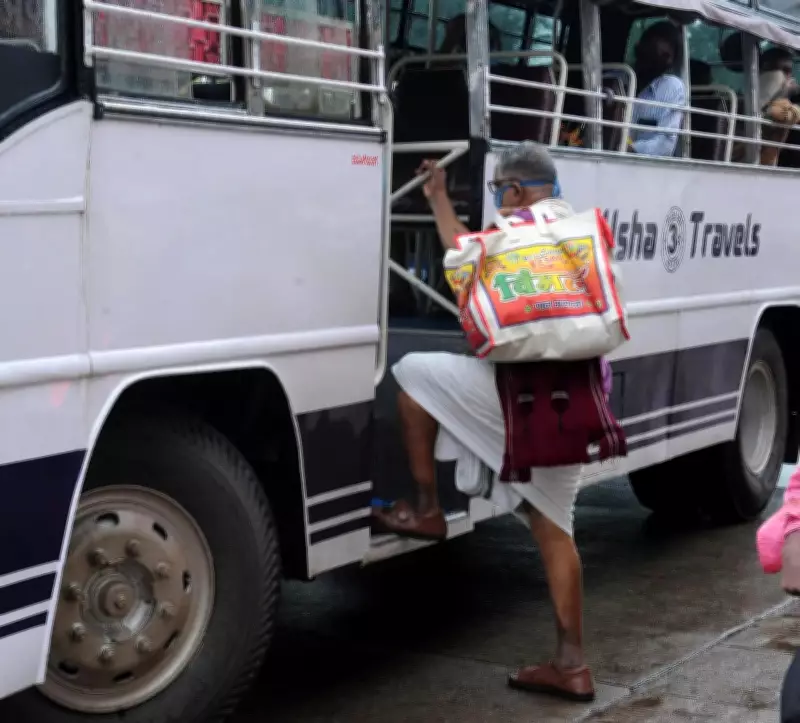
The Dakshina Kannada Bus Operators' Association will meet on Tuesday, May 19, to discuss a possible fare hike following a Rs 3 per litre increase in petrol and diesel prices on May 15. Private bus operators in the district last implemented a 10–15% fare hike in July 2021, according to association president Azeez Parthipady.
Rising Operational Costs
Speaking to TOI, Azeez highlighted that rising diesel prices and higher maintenance costs have put significant pressure on operators. Chassis prices have increased by 30–35%, body-building costs by 30–40%, and grease, oil, and spare parts by around 30%. Battery prices and insurance premiums have also risen substantially. Additionally, operators pay a tax of Rs 1,000 per seat every three months and manage EMI payments, he added.
Impact on Passengers
Azeez noted that the people of Dakshina Kannada and students have supported the growth of private bus services, and operators do not want to impose a sudden financial burden on passengers. However, a fare hike now appears necessary. The association will study the issue carefully before making a decision and approaching the district administration.

Electric Buses Not a Viable Option
Responding to a question about shifting to electric buses with a subsidy, Azeez said the government "does not give us whatever we ask for." He recalled that private operators received no support during the Covid-19 pandemic despite promises of subsidies, while they were still required to pay taxes. Electric buses are more expensive and costlier to maintain, and the city currently lacks proper infrastructure to support them, he added.
Call for Government Support
Azeez urged the government to extend the same tax exemptions given to KSRTC to private operators, including a 50% tax reduction and diesel subsidies. Such measures could help avoid a fare hike. Operators would continue to offer students concessional bus passes, he assured.