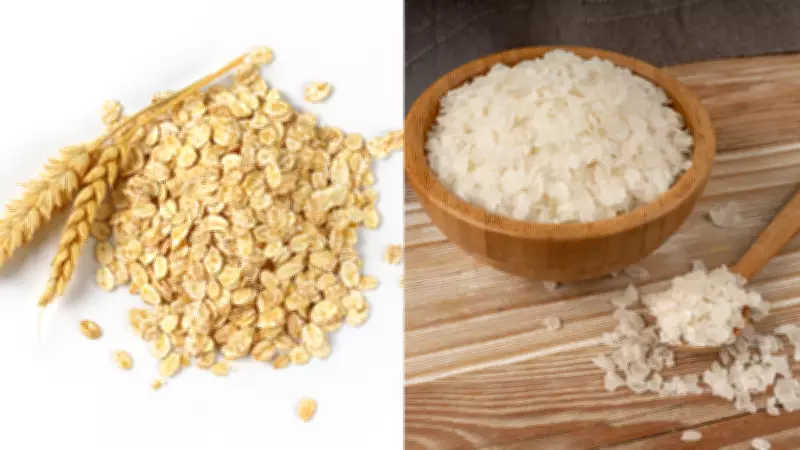
Breakfast has become one of the most debated meals of the day. Some people swear by a bowl of oats every morning, while others believe nothing beats a warm plate of poha with peanuts, curry leaves, and lemon. Both are quick, affordable, and easy on the stomach. But when the goal is weight loss and sustained energy, the answer is not as straightforward as social media trends make it seem.
Nutrition experts say that the best breakfast is the one that keeps hunger controlled, supports digestion, and gives enough energy without making the body feel heavy. In India, oats and poha have emerged as two of the most common healthy breakfast choices. Yet they work differently inside the body.
Why Oats Are Often Linked with Weight Loss
Oats have built a strong reputation in the fitness world, largely because of their fibre content. They contain beta-glucan, a type of soluble fibre known to slow digestion and increase the feeling of fullness. This means hunger tends to return more slowly after eating oats.

According to the National Institutes of Health (NIH) research on oats and satiety, beta-glucan may help improve fullness levels and support appetite control. That matters for people trying to reduce unnecessary snacking during the day.
A simple bowl of oats with nuts, seeds, or fruit can also provide steady energy because oats digest gradually. Blood sugar spikes are usually milder compared to heavily processed breakfast foods.
Another reason oats work well for many people is consistency. They are easy to portion-control. A small serving expands after cooking, which psychologically feels more satisfying.
Still, oats are not automatically healthy in every form. Flavoured instant oats loaded with sugar can quietly increase calorie intake. The healthiest option remains plain rolled or steel-cut oats cooked with balanced toppings.
Poha Has Strengths Many People Overlook
Poha is often underestimated because it feels lighter than oats. But that lightness is exactly why many Indians prefer it, especially during humid weather or busy mornings.
Made from flattened rice, poha is easy to digest and cooks quickly. When prepared traditionally with vegetables, mustard seeds, peanuts, and curry leaves, it becomes far more balanced than many packaged breakfasts.
The peanuts in poha add healthy fats and protein, while vegetables contribute fibre. Lemon juice also improves iron absorption from the meal. This makes homemade poha nutritionally smarter than its simple appearance suggests.
Poha also has one advantage many people ignore: comfort. Foods connected to culture and routine are easier to maintain long term. A healthy breakfast only works if it becomes sustainable.
Which One Gives Better Energy Through the Day?
This depends on the type of energy the body needs.
Oats usually release energy more slowly because of their higher soluble fibre content. This can help office workers, students, or people with long sitting hours avoid sudden energy crashes.
Poha, on the other hand, gives quicker energy because it is lighter and easier to digest. For someone who exercises early, travels long distances, or dislikes heavy breakfasts, poha may feel more practical.
The difference also lies in preparation. Oats cooked with excessive sugar or processed syrups lose much of their benefit. Similarly, poha fried heavily in oil with very few vegetables becomes less weight-loss friendly.
The smarter approach is to improve the recipe rather than declare one food superior forever.
The Real Winner for Weight Loss May Surprise Many
If the focus is purely appetite control and longer fullness, oats generally have a slight edge. Their fibre profile supports satiety better, especially for people trying to manage calorie intake.
But for overall lifestyle balance, poha performs better than many give it credit for. It is lighter, culturally familiar, and easier for many Indian stomachs to tolerate daily.
In reality, the healthiest breakfast is often the one that prevents overeating later in the day. For some people, oats do that. For others, a vegetable-rich poha with peanuts keeps cravings away more effectively.
A study published by the National Library of Medicine on breakfast quality and weight management also highlights that overall dietary patterns matter more than obsessing over one meal alone.

A Balanced Breakfast Matters More Than Food Trends
Nutrition trends change every few years. One decade celebrates cereals, another promotes protein-heavy breakfasts. But the body usually responds best to simple, minimally processed meals eaten consistently.
Oats can be excellent for fibre and satiety. Poha can be excellent for comfort, digestion, and balanced nourishment when prepared thoughtfully.
The smarter comparison is not oats versus poha. It is whether breakfast contains enough fibre, protein, and healthy ingredients to keep the body satisfied and energised.
Sometimes, the healthiest plate is not the fanciest one. It is the one that quietly supports energy, digestion, mood, and routine every single morning.
Disclaimer: This article is for informational purposes only and does not replace professional medical or dietary advice. Nutritional needs vary from person to person depending on age, health conditions, activity level, and lifestyle. Consult a qualified healthcare professional or dietitian before making major dietary changes.