Ethanol deserves a place in India’s energy strategy, but moving beyond E20 at an accelerated pace is not necessarily a superior policy choice. Speed is not the same as success, according to economist Ajit Ranade.
Ethanol Blending and Its Impact on Motorists
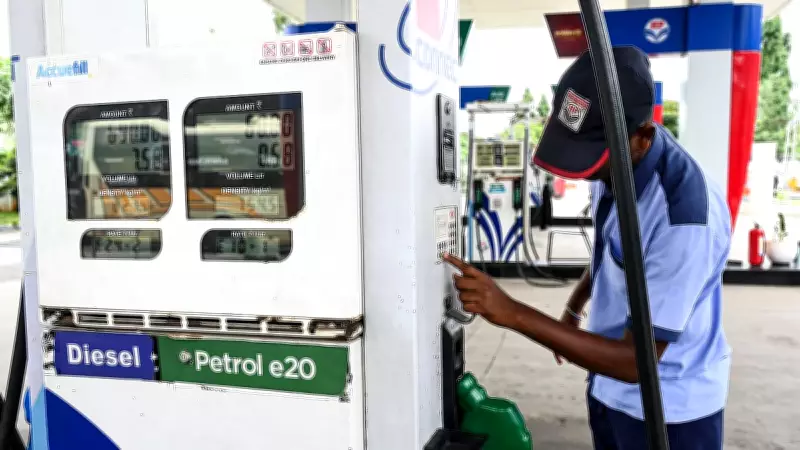
India has aggressively pursued ethanol blending in petrol, aiming to reduce oil imports and support sugarcane farmers. However, the rapid push to higher blends like E20 (20% ethanol) has led to unintended consequences, including reduced fuel efficiency and potential engine damage in older vehicles. Motorists are feeling the pinch as mileage drops and maintenance costs rise.
The Economics of Ethanol Policy
Ajit Ranade argues that while ethanol reduces carbon emissions and supports rural incomes, the rushed implementation ignores technical and economic realities. For instance, ethanol has lower energy density than petrol, meaning vehicles consume more fuel to travel the same distance. This offsets some environmental gains and increases costs for consumers.

Balancing Speed and Sustainability
The government's target of achieving 20% ethanol blending by 2025, later delayed to 2030, has put pressure on automakers and fuel retailers. Many vehicles, especially older models, are not designed for high ethanol blends, leading to corrosion and performance issues. Ranade suggests a phased approach, allowing infrastructure and technology to catch up.
A Broader Energy Strategy
India must diversify its renewable energy portfolio, including solar, wind, and biofuels, without over-relying on any single source. Ethanol should complement, not dominate, the energy mix. Policymakers should consider long-term impacts on food security, water usage, and land allocation for sugarcane cultivation.
As India balances energy security with economic and environmental goals, the ethanol story serves as a cautionary tale: haste makes waste, and in energy policy, careful calibration is key.