Government Mandates Nationwide Sale of Ethanol-Blended Petrol with Minimum RON 95 from April 1
In a significant move to promote sustainable energy and reduce carbon emissions, the Indian government has announced a nationwide mandate for the sale of ethanol-blended petrol. This new regulation, set to take effect from April 1, 2026, requires all petrol sold across the country to be blended with ethanol and have a minimum Research Octane Number (RON) of 95. This initiative aims to enhance fuel efficiency, lower pollution levels, and support the agricultural sector by increasing demand for ethanol, which is primarily derived from sugarcane and other biomass sources.
Key Details of the Mandate
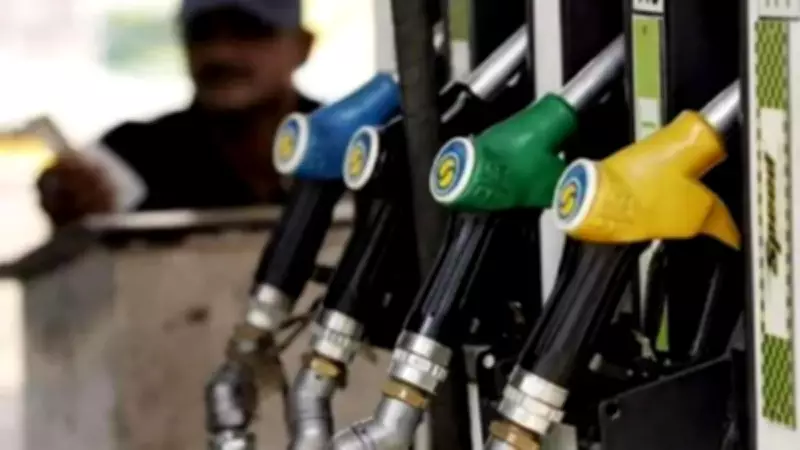
The mandate specifies that from the effective date, all petrol stations must dispense fuel that meets the dual criteria of ethanol blending and a high octane rating. The minimum RON of 95 is designed to ensure better engine performance and reduced knocking, which can lead to longer vehicle lifespans and improved fuel economy. Ethanol blending, typically at rates such as E10 (10% ethanol) or higher, is expected to cut down on greenhouse gas emissions and decrease India's reliance on imported crude oil, thereby bolstering energy security.
Impact on the Automotive and Agricultural Sectors
This policy is poised to have far-reaching effects across multiple industries. For the automotive sector, it may necessitate adjustments in vehicle manufacturing and fuel distribution systems to accommodate the new fuel specifications. Car manufacturers might need to upgrade engines to handle higher ethanol blends, while oil marketing companies will have to ramp up ethanol procurement and blending infrastructure. On the agricultural front, the increased demand for ethanol could provide a boost to farmers, particularly those growing sugarcane, maize, and other feedstocks, potentially leading to higher incomes and rural development.

Government's Broader Green Energy Goals
The mandate aligns with India's broader commitments to green energy and climate action, including targets under the Paris Agreement and the National Biofuel Policy. By promoting ethanol-blended petrol, the government aims to reduce the carbon footprint of the transportation sector, which is a major contributor to air pollution in urban areas. This step is part of a series of measures, such as incentives for electric vehicles and renewable energy projects, to transition towards a more sustainable economy.
Challenges and Implementation Timeline
While the mandate is set for April 1, 2026, its implementation may face challenges, including the need for significant investments in fuel production and distribution networks. Ensuring consistent quality and availability of ethanol-blended petrol across all regions, especially in remote areas, will be crucial. The government is likely to work closely with stakeholders, including oil companies, automakers, and agricultural bodies, to address these issues and facilitate a smooth transition. Public awareness campaigns might also be launched to educate consumers about the benefits and usage of the new fuel blend.
In summary, this nationwide mandate represents a proactive step by the Indian government to integrate environmental sustainability with economic growth, setting a precedent for other countries to follow in the global fight against climate change.