Gurgaon Grapples with Commercial LPG Crisis as Geopolitical Tensions Disrupt Supply
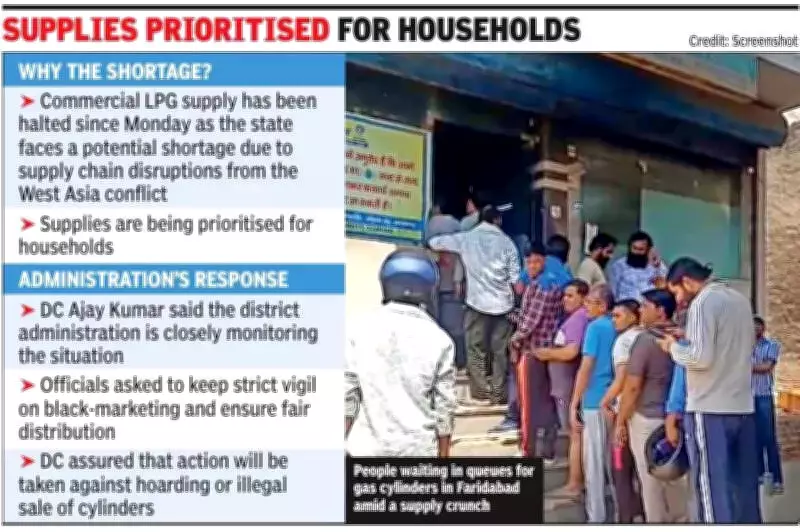
The bustling city of Gurgaon is facing a significant disruption in its commercial LPG cylinder supply chain, creating severe challenges for small restaurants, dhabas, and street vendors across the metropolitan area. While domestic LPG distribution remains completely stable with no reported shortages for household consumers, the commercial sector has been plunged into uncertainty due to ongoing geopolitical tensions in West Asia that have disrupted international energy markets.
Black Market Prices Skyrocket as Formal Supply Channels Dry Up
According to restaurant owners and industry insiders, the reduced availability of commercial cylinders through official channels has created a thriving black market where prices have escalated dramatically. A standard 19kg commercial cylinder that typically cost approximately Rs 1,700 until recently is now being sold through informal networks for anywhere between Rs 3,500 to Rs 4,500—representing a price increase of 106% to 165% in just days.
"We are paying almost double the normal price because we need to keep our kitchens operational," explained Parveen Kumar, proprietor of Cafe Crush in Sector 38. "Commercial cylinders are available in the market, but distributors are demanding exorbitant rates that are difficult for small businesses to absorb."

Government Directives Reshape Distribution Priorities
The crisis has been exacerbated by recent government directives that have fundamentally altered LPG distribution protocols. Authorities have instructed LPG distributors to extend the waiting period for domestic cylinders from 15 to 25 days while simultaneously halting commercial cylinder supply to the food industry until further notice. The only exception to this restriction applies to essential institutions including schools, hostels, and hospitals, which continue to receive their allocated commercial LPG supplies.
Arun Sachdeva of Raj Gas Service confirmed the supply disruption, stating, "Our agency has not received any fresh stock of commercial cylinders since Monday. The last consignment arrived on Saturday, and we have no clarity about when normal supply might resume."
Small Food Businesses Bear the Brunt of Supply Disruption
The commercial LPG shortage has created a stark divide between different segments of Gurgaon's food industry. Large restaurants connected to piped natural gas (PNG) networks have remained largely unaffected by the cylinder crisis, while smaller establishments without PNG connections face existential threats to their operations.
Santosh Kumar, who operates a roadside eatery on Sohna Road, highlighted the precarious situation facing micro-entrepreneurs: "We typically maintain only two cylinders at a time—one in active use and one in reserve. Stockpiling isn't feasible for us due to space and financial constraints. Closing my stall isn't an option because this represents my sole source of livelihood."
Industry estimates suggest approximately 5,000 commercial LPG cylinders are supplied daily throughout Gurgaon, with the majority serving small and medium food businesses that form the backbone of the city's vibrant street food culture and affordable dining options.
Administration Monitors Situation Amid Black Market Concerns
District officials have acknowledged the developing crisis and are closely monitoring the situation. Deputy Commissioner Ajay Yadav has urged affected establishments to formally report any instances of black marketing, promising that appropriate action will be taken against violators once complaints are properly documented and verified.
LPG distributors have uniformly denied any involvement in illegal sales through their official networks, though some have conceded that commercial cylinders might be circulating through unauthorized channels beyond their control. The administration's primary concern remains ensuring that domestic LPG supply remains uninterrupted while managing the commercial sector's challenges.

Restaurants Implement Crisis Management Strategies
Faced with limited options, restaurant owners across Gurgaon are implementing various strategies to navigate the supply disruption. Many establishments are relying on existing cylinder stocks while simultaneously exploring alternative cooking methods where feasible. Others are reluctantly absorbing the additional costs associated with black market purchases, though they warn that prolonged shortages could eventually force operational changes or temporary closures.
The crisis highlights the vulnerability of small food businesses to global geopolitical developments and supply chain disruptions, with many operators expressing concern about their ability to withstand extended periods of inflated operational costs. As West Asia tensions continue to influence international energy markets, Gurgaon's commercial food sector remains in a precarious position, balancing immediate survival needs against uncertain future supply conditions.